


Understanding the Craft Behind Uttarakhand’s Silver Heritage
Uttarakhand’s silver jewellery traditions are deeply connected to identity, geography, rituals, and craftsmanship. So, what are the real differences between Kumaoni and Garhwali silver styles? The answer lies in design structure, motifs, ceremonial usage, and local cultural influences. Kumaoni pieces are often known for intricate detailing, floral patterns, and elaborate bridal adornments, while Garhwali silver jewellery reflects spiritual symbolism, bold forms, and temple-inspired craftsmanship. Both traditions belong to the larger heritage of Uttarakhand, yet each carries a distinct regional personality. For buyers searching for authentic craftsmanship, heritage-driven artistry, and culturally rooted designs, Kanchi Silver offers collections that preserve these traditions while making them wearable for modern generations.
Table of Contents
- Understanding the Craft Behind Uttarakhand’s Silver Heritage
- The Cultural Roots Behind Kumaoni and Garhwali Silver
- Design Differences Between Kumaoni and Garhwali Styles
- Motifs and Symbolism in Regional Silver Jewellery
- Jewellery Worn for Rituals, Weddings, and Everyday Life
- Why Traditional Pahadi Silver Jewellery Is Becoming Popular Again
- Why Kanchi Silver Is the Trusted Choice for Uttarakhand Heritage Jewellery
The Cultural Roots Behind Kumaoni and Garhwali Silver
The silver traditions of Uttarakhand developed differently because Kumaon and Garhwal evolved through separate royal dynasties, trade routes, spiritual practices, and community customs.
- Kumaon historically shared artistic exchanges with Nepal and Tibet, which influenced jewellery detailing, symmetrical patterns, and layered ornament construction used in royal and bridal adornment traditions.
- Garhwal’s jewellery culture evolved around pilgrimage routes such as Kedarnath and Badrinath, leading to spiritually influenced silver pieces carrying protective and devotional symbolism.
- According to the Indira Gandhi National Centre for the Arts, Himalayan ornamentation traditionally represented prosperity, fertility, and social identity rather than simple decorative fashion. [1]
- Silver became more common than gold in mountain communities because it was affordable, durable, and believed to possess cooling and protective spiritual qualities during harsh climatic conditions.
- Anthropologists from Kumaun University have documented that jewellery in Uttarakhand also functioned as movable family wealth for women in remote Himalayan settlements. [2]
- Traditional artisans often learned silversmithing through hereditary guild systems, where techniques and motifs were passed orally across generations instead of formal institutional training.
How regional identity shaped jewellery styles
- Kumaoni silver jewellery developed with softer curves, delicate craftsmanship, and ceremonial richness associated with prosperous trading families and agricultural communities.
- Garhwali silver jewellery became more structured and symbolic because spiritual pilgrimage networks strongly influenced local aesthetics, ritual beliefs, and community dressing traditions.
“Jewellery in the Himalayas is not merely adornment. It is a social language expressing ancestry, spirituality, and womanhood.”
— Dr. Vibha Tripathi, archaeologist and cultural historian, Banaras Hindu University [3]
Design Differences Between Kumaoni and Garhwali Styles
When buyers compare regional silver styles from Uttarakhand, design structure becomes the most visible difference between Kumaoni and Garhwali ornamentation.
Characteristics of Kumaoni designs
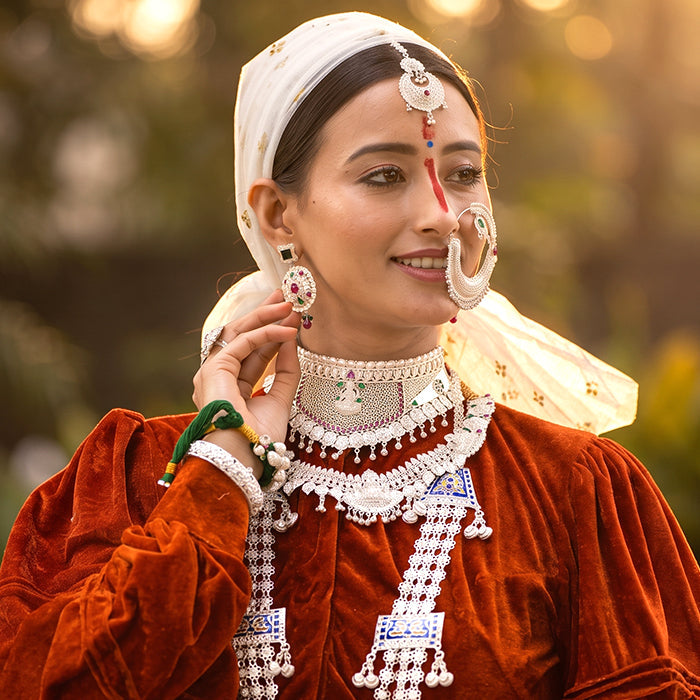
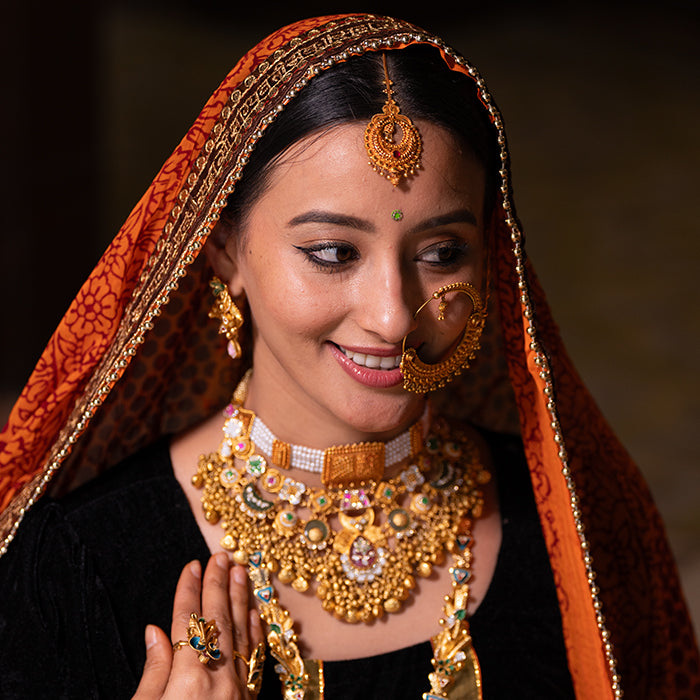
- Kumaoni silver jewellery commonly features detailed engraving, floral carvings, layered textures, and refined finishing intended for ceremonial elegance and bridal sophistication.
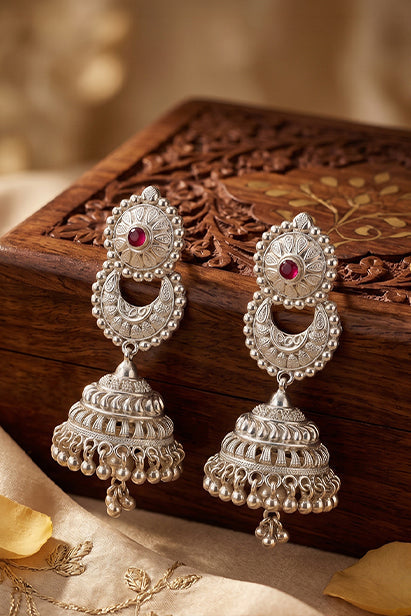
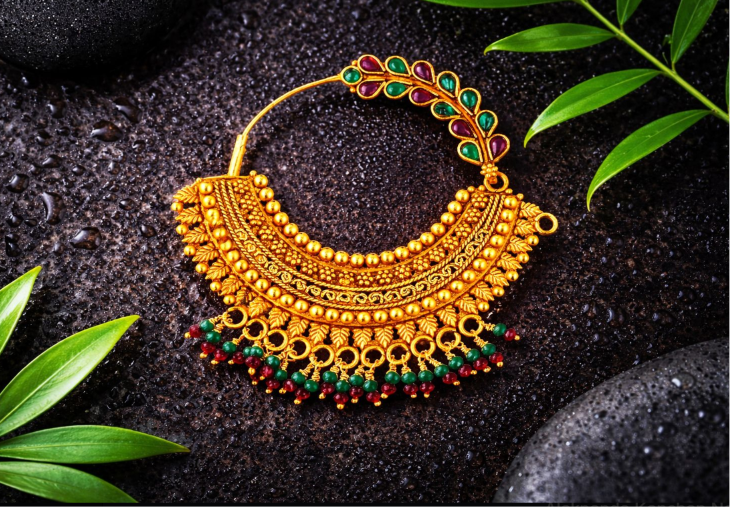
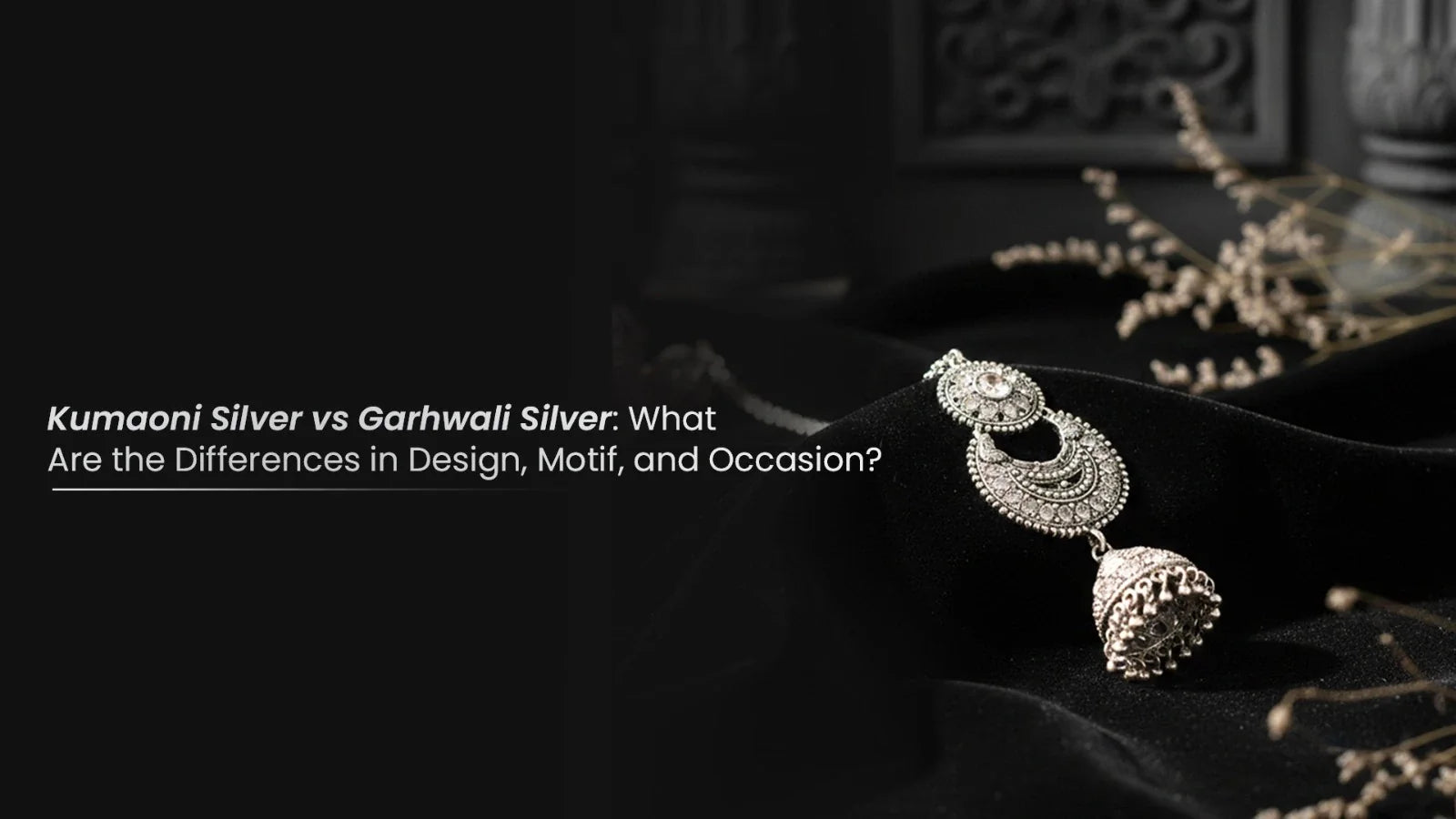
- Jewellery pieces often include lightweight hanging elements that create graceful movement, especially in necklaces, earrings, and traditional nose rings worn during festivals.
- Kumaoni artisans traditionally preferred symmetrical detailing inspired by Himalayan flora, fertility symbolism, and domestic prosperity associated with married life.
- Chitai-inspired repoussé work and fine filigree techniques are frequently associated with Kumaoni craftsmanship traditions passed through artisan communities in Almora and nearby regions.
- Bridal jewellery from Kumaon generally focuses on aesthetic richness and visual intricacy instead of large bold structures dominating the wearer’s appearance.
Characteristics of Garhwali designs
- Garhwali silver jewellery is recognised for heavier forms, bold structures, embossed motifs, and spiritually symbolic detailing inspired by temples and sacred mountain traditions.
- Jewellery often includes thick cuffs, rigid necklaces, and prominent pendants designed for ceremonial visibility during religious gatherings and wedding rituals.
- Garhwali artisans historically emphasised durability because ornaments were regularly worn during agricultural work, pilgrimages, and physically demanding mountain lifestyles.
- Sun motifs, serpent forms, tridents, and protective geometric symbols appear more frequently in Garhwali ornamentation than floral decorative themes.
- Many Garhwali designs intentionally balance spiritual meaning with practical functionality, creating jewellery capable of surviving daily Himalayan life for generations.
Lesser-known design fact
- Researchers from the National Museum Institute, New Delhi, note that Himalayan silver ornaments frequently incorporated protective symbolism against evil spirits and environmental uncertainty. [4]
Motifs and Symbolism in Regional Silver Jewellery
Motifs in Uttarakhand jewellery are never random decorative elements. Every pattern traditionally represented beliefs related to fertility, prosperity, spirituality, marriage, or protection.
Common motifs in Kumaoni traditions
- Lotus flowers symbolised purity, prosperity, and feminine grace within Kumaoni households and frequently appeared in necklaces, anklets, and ceremonial earrings.
- Crescent moon patterns represented calmness and divine feminine energy associated with regional folk beliefs and agricultural seasonal cycles.
- Grain-inspired detailing reflected gratitude toward fertile land and successful harvests, which were central to Kumaoni family economies.
- Bird motifs occasionally appeared in bridal jewellery as symbols of transition, freedom, and emotional connection between maternal and marital homes.
- Delicate vine patterns demonstrated continuity of family lineage and marital harmony within traditional household structures.
Common motifs in Garhwali traditions
- Trident motifs represented the spiritual influence of Lord Shiva because Garhwal is home to major Shaivite pilgrimage centres, including Kedarnath.
- Snake patterns symbolised divine protection, regeneration, and cosmic balance in Himalayan spiritual traditions and folk belief systems.
- Circular solar symbols reflected mountain worship traditions and the importance of sunlight in agricultural survival within cold Himalayan terrain.
- Temple-inspired geometric carvings mirrored sacred architecture found along pilgrimage circuits connecting Garhwal’s important shrines and spiritual routes.
- Protective amulet motifs were traditionally worn by women and children to safeguard against illness, evil energy, and environmental dangers.
Why symbolism still matters today
- Modern buyers increasingly seek jewellery carrying cultural stories instead of mass-produced accessories lacking emotional or regional identity.
- According to UNESCO discussions on intangible heritage preservation, traditional crafts survive longer when cultural meaning remains connected to contemporary lifestyles. [5]
- This growing appreciation has strengthened demand for Uttarakhand silver jewellery among younger buyers interested in heritage fashion, sustainability, and artisanal craftsmanship.
Jewellery Worn for Rituals, Weddings, and Everyday Life
Occasions strongly influenced how silver jewellery was designed and worn across the Kumaon and Garhwal communities.
Bridal jewellery traditions in Kumaon
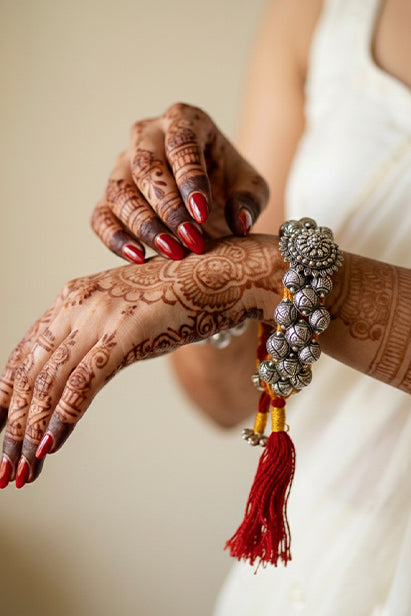
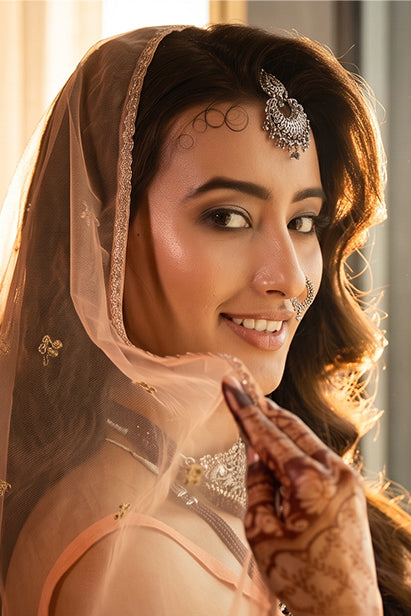
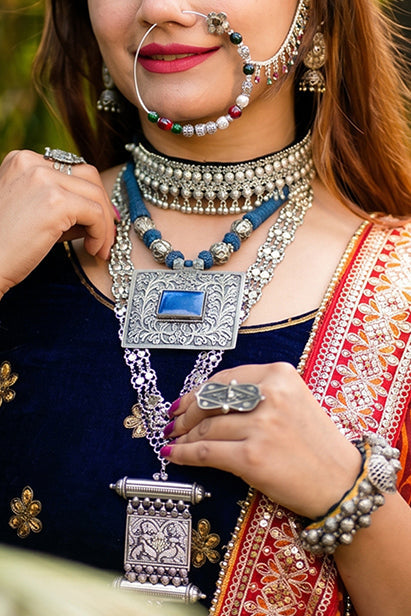
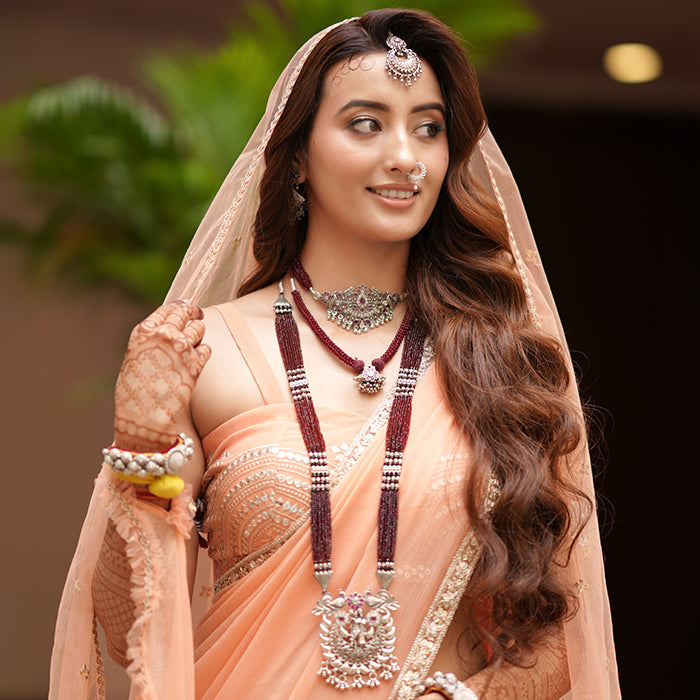
- Kumaoni brides traditionally wore elaborate naths, layered necklaces, silver anklets, and decorative head ornaments symbolising prosperity and marital blessings.
- Wedding jewellery often included lightweight decorative movement because dancing and festive celebration formed central parts of regional marriage ceremonies.
- Bridal silver ornaments were commonly gifted through maternal family lines, strengthening emotional and generational significance within households.
- Many families treated ceremonial silver as inherited heirlooms rather than temporary fashion purchases, preserving ornaments across multiple generations.
Bridal jewellery traditions in Garhwal
- Garhwali bridal jewellery usually featured a stronger visual presence with bold necklaces, structured cuffs, and spiritually symbolic pendants connected to protective blessings.
- Temple-inspired ornamentation was especially common during marriage rituals associated with sacred vows and divine witness traditions.
- Heavy silver jewellery historically indicated social respectability, resilience, and family prosperity within mountainous Garhwali communities.
- Ceremonial silver was also believed to spiritually protect brides transitioning into unfamiliar family environments after marriage.
Everyday jewellery practices
- Daily-wear jewellery in both regions included toe rings, bangles, earrings, and protective amulets crafted for practical long-term use.
- Rural Himalayan communities preferred silver because it resisted harsh climatic conditions more effectively than many alternative decorative materials available historically.
- Traditional jewellery often served dual functions as ornamentation and financial security during uncertain agricultural or economic conditions.
Why occasion-based jewellery remains relevant
- Today’s buyers continue investing in culturally rooted pieces for weddings, festivals, naming ceremonies, and family gifting traditions.
- Demand for traditional pahadi silver jewellery has expanded beyond Uttarakhand because diaspora families want heritage pieces preserving emotional regional connections.
Why Traditional Pahadi Silver Jewellery Is Becoming Popular Again
The renewed interest in Himalayan craftsmanship is not accidental. Consumers increasingly prefer heritage products with authenticity, sustainability, and cultural storytelling.
Factors driving renewed popularity
- Younger buyers now value handcrafted jewellery because it offers individuality compared to mass-manufactured designs dominating commercial fashion markets.
- Social media and regional fashion influencers have increased awareness around Himalayan artistry, bridal traditions, and mountain-inspired heritage jewellery aesthetics.
- Sustainable fashion conversations have encouraged consumers to support artisan-led craftsmanship rooted in traditional slow-production techniques.
- Many families now prefer investing in culturally meaningful jewellery that carries emotional and ancestral value rather than trend-based disposable fashion accessories.
- Fashion researchers from the National Institute of Fashion Technology have highlighted growing urban demand for indigenous Indian craft traditions in premium jewellery markets. [6]
How modern styling has changed perception
- Contemporary wearers often combine traditional necklaces or naths with modern outfits, creating fusion styling inspired by regional identity and personal heritage.
- Minimalist adaptations of old Himalayan motifs now appeal to younger professionals seeking wearable cultural elegance without excessive ceremonial heaviness.
- Artisans have also started creating lighter reinterpretations suitable for destination weddings, festive gifting, and modern bridal wardrobes.
The role of authenticity
- Buyers increasingly ask whether jewellery is handcrafted, regionally authentic, and culturally accurate before making premium purchases.
- This is exactly why trusted heritage-focused jewellers are gaining recognition over generic fashion retailers selling imitation mountain-inspired accessories.
- Authentic Garhwali silver jewellery and regionally accurate Kumaoni designs require deep cultural understanding, artisan collaboration, and preservation of original craftsmanship techniques.
Why Kanchi Silver Is the Trusted Choice for Uttarakhand Heritage Jewellery
When customers search for authentic Himalayan jewellery, they want more than visual beauty. They want heritage accuracy, craftsmanship credibility, and designs carrying emotional meaning.
What makes Kanchi Silver stand out
- Kanchi Silver preserves regional authenticity by offering culturally inspired jewellery reflecting Uttarakhand’s traditional craftsmanship and ceremonial significance.
- The brand understands the differences between Kumaoni and Garhwali ornamentation instead of treating Himalayan silver traditions as one generic design category.
- Collections are designed for both heritage preservation and contemporary wearability, helping younger generations reconnect with regional cultural identity.
- Buyers seeking wedding jewellery, ceremonial gifting, or meaningful family heirlooms can find designs rooted in genuine Himalayan artistic traditions.
- Kanchi Silver values craftsmanship, storytelling, and artisan heritage rather than mass-produced imitation jewellery lacking cultural authenticity.
Why cultural jewellery deserves careful sourcing
- Authentic regional jewellery reflects generations of inherited craftsmanship that cannot be replicated through factory manufacturing methods alone.
- Choosing heritage-focused jewellers supports preservation of endangered artisan skills and strengthens appreciation for India’s intangible cultural traditions.
- As consumer awareness grows, brands preserving authentic Himalayan silver traditions are becoming increasingly important within India’s evolving jewellery industry.
Whether someone prefers the intricate elegance of Kumaoni craftsmanship or the spiritually symbolic boldness of Garhwali ornamentation, Kanchi Silver offers the most meaningful connection to Uttarakhand’s living silver heritage.
FAQs
1. What is the biggest difference between Kumaoni and Garhwali silver jewellery?
The biggest difference lies in design language and symbolism. Kumaoni jewellery focuses on intricate detailing and floral elegance, while Garhwali jewellery features bold forms, spiritual motifs, and temple-inspired craftsmanship. Both styles belong to Uttarakhand’s heritage but reflect different regional histories, traditions, and cultural influences.
2. Why is silver more common than gold in Uttarakhand’s traditional jewellery?
Silver became more popular in the Himalayan regions because it was affordable, durable, and spiritually significant. Mountain communities believed silver carried cooling and protective properties. It also worked as portable family wealth, making it practical for agricultural households and remote settlements across Uttarakhand’s mountainous terrain.
3. Are Kumaoni and Garhwali jewellery styles still worn today?
Yes, both jewellery traditions remain culturally important during weddings, festivals, and religious ceremonies. Modern buyers also style these ornaments with contemporary clothing. Increasing interest in heritage fashion and sustainable craftsmanship has revived demand for authentic Himalayan silver jewellery across India and among diaspora communities abroad.
4. Which motifs are commonly found in Garhwali silver jewellery?
Garhwali jewellery frequently includes tridents, serpent patterns, solar symbols, temple-inspired carvings, and protective amulet motifs. These designs reflect the spiritual culture of Garhwal, especially its connection to Himalayan pilgrimage routes, Shaivite traditions, and regional beliefs surrounding protection, prosperity, and divine blessings.
5. Why should buyers choose authentic Himalayan silver jewellery brands?
Authentic brands preserve traditional craftsmanship, cultural symbolism, and regional design accuracy. Heritage-focused jewellers also support artisan communities and prevent dilution of traditional techniques through imitation products. Buyers receive jewellery carrying emotional meaning, historical significance, and genuine artistic value rather than mass-produced decorative accessories.


