


Secrets of Uttarakhand’s Silver Craftsmanship
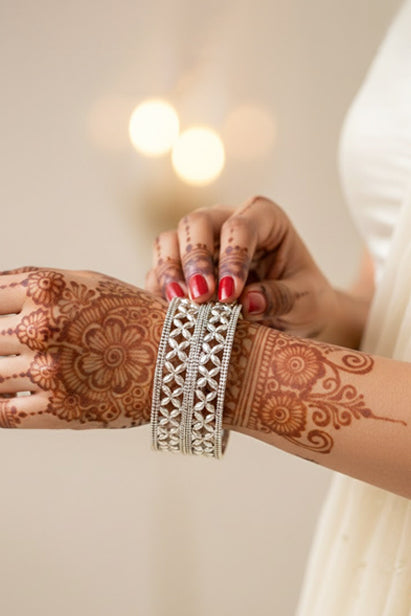
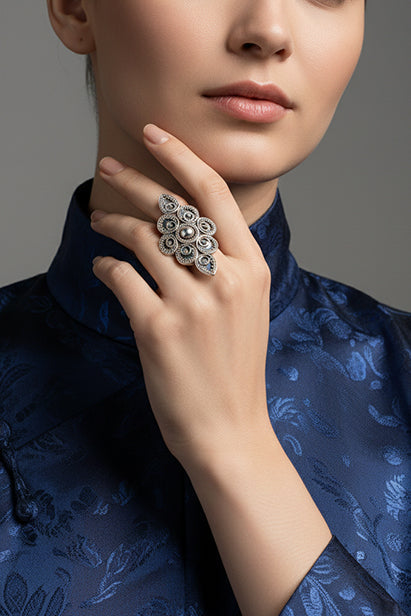
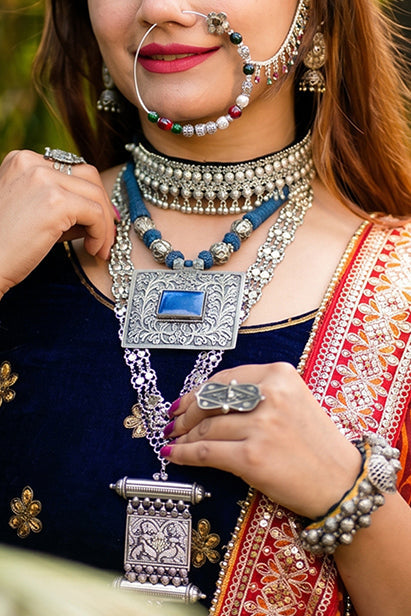
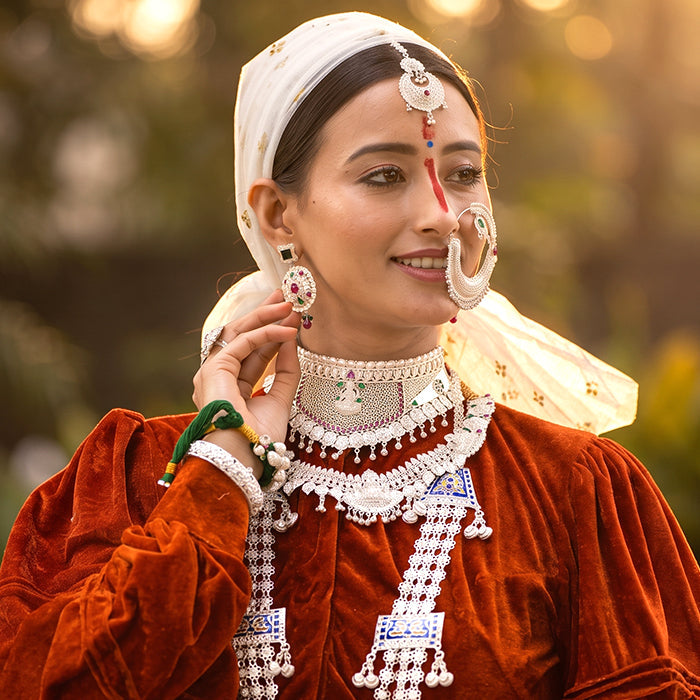
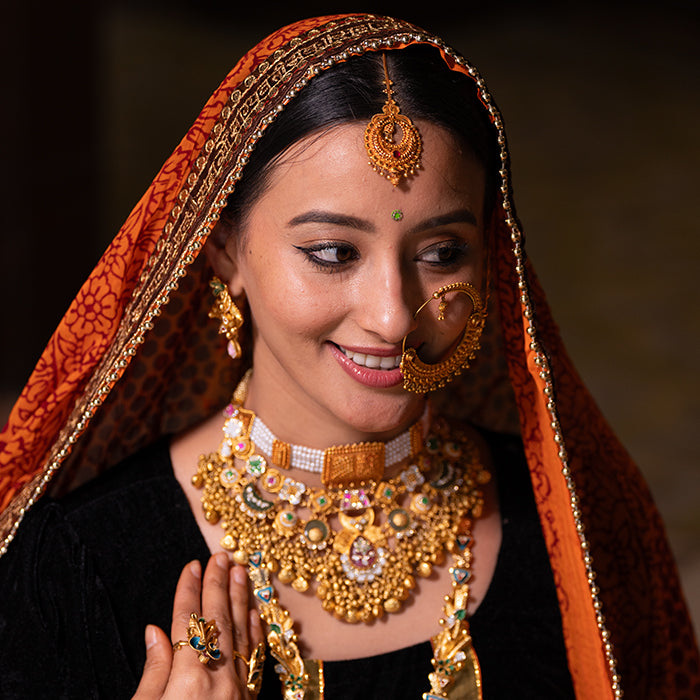
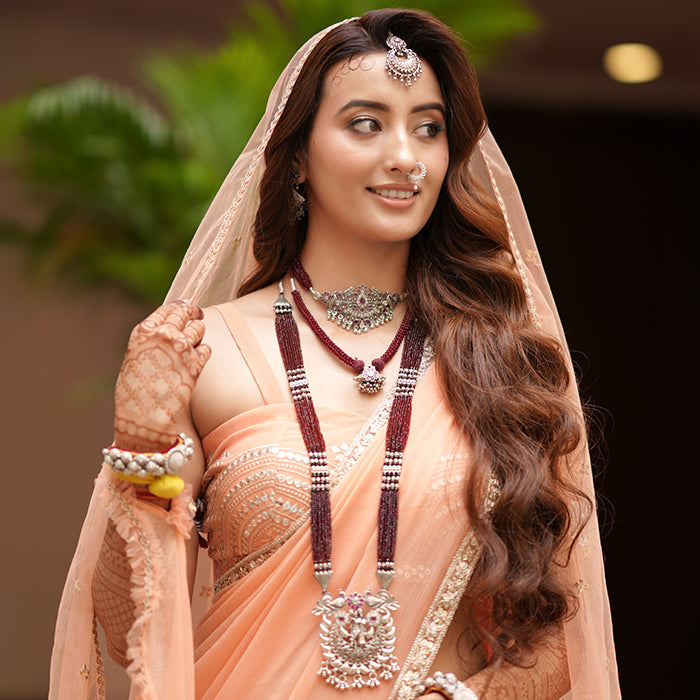
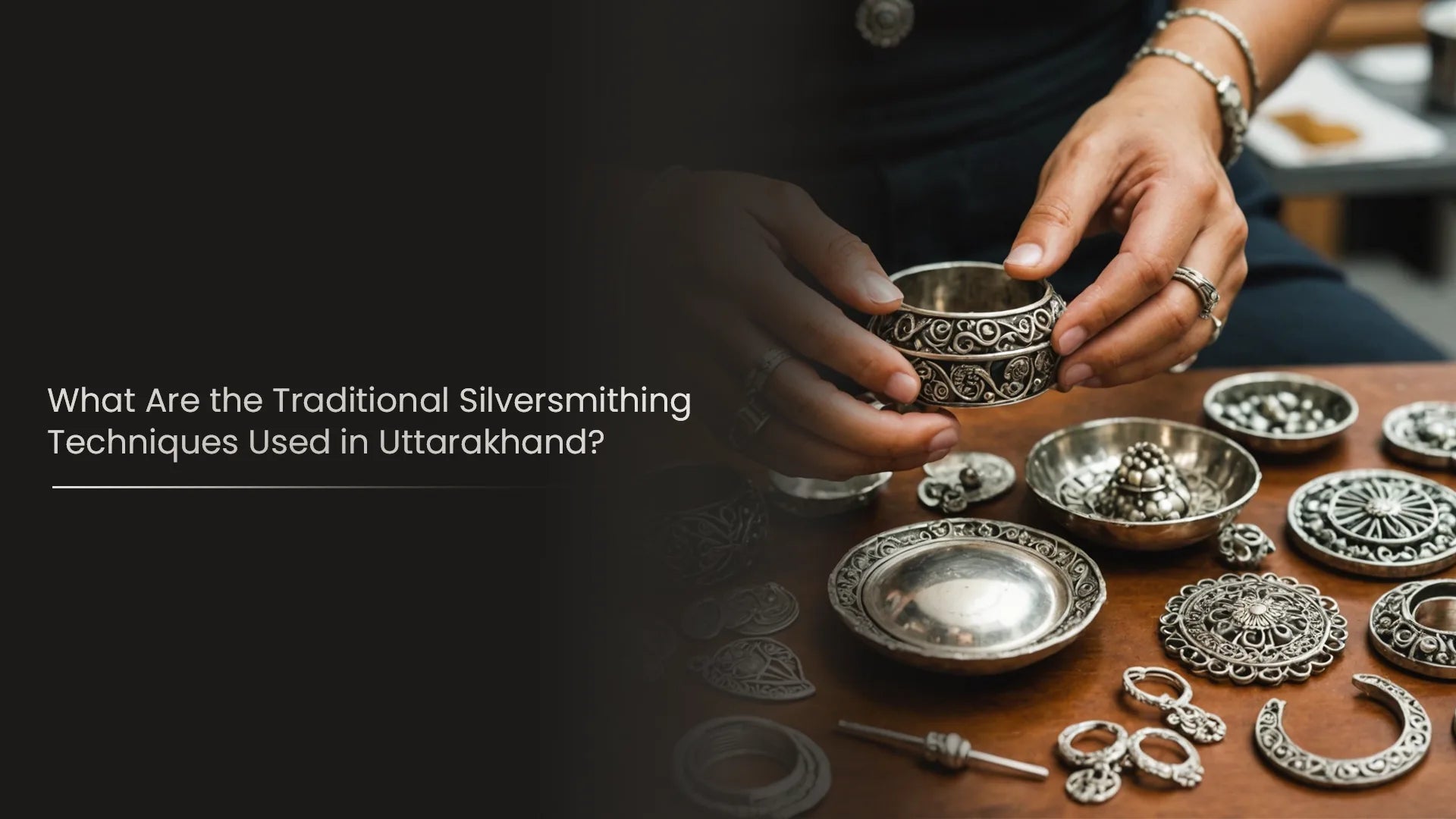
Traditional silversmithing techniques in Uttarakhand include Chitai engraving, filigree wirework, and repoussé metal embossing. These methods have been practised for generations by skilled Himalayan artisans who shape silver into cultural heirlooms, ritual ornaments, and everyday adornments. Each technique reflects regional identity, craftsmanship, and symbolism deeply connected to mountain life. For buyers looking for authentic craftsmanship and traditional pahadi silver jewellery, Kanchi Silver preserves these time-honoured methods while bringing them to modern jewellery lovers through carefully curated collections.
Table of Contents
- Secrets of Uttarakhand’s Silver Craftsmanship
- Why Uttarakhand’s Silversmithing Heritage Still Matters
- What is the Chitai Technique in Uttarakhand Silverwork?
- How Filigree Work Adds Delicate Beauty to Silver Jewellery
- What Is Repoussé and Why Is It Used in Temple Jewellery?
- Why Traditional Techniques Make Uttarakhand Silver Jewellery More Valuable
- Why Kanchi Silver Is Keeping Himalayan Craftsmanship Alive
Why Uttarakhand’s Silversmithing Heritage Still Matters
Silver craftsmanship in Uttarakhand is not simply decorative. It reflects faith, social identity, protective beliefs, and regional traditions passed through generations across Kumaon and Garhwal.
How did silver become important in Himalayan culture?
- Mountain communities historically preferred silver because it remained affordable, durable, and spiritually significant for daily wear, rituals, weddings, and temple offerings in remote Himalayan regions.
- Historians from the Anthropological Survey of India note that silver ornaments represented family wealth among Himalayan communities lacking formal banking systems.[1]
- Women traditionally received silver ornaments during marriage ceremonies as symbols of prosperity, protection, and continuity of ancestral customs across generations.
- Artisans developed specialized regional methods because isolated Himalayan geography encouraged local experimentation with metalworking styles, motifs, and hand-tool techniques.
- According to UNESCO, traditional craftsmanship survives through intergenerational learning, making local artisan communities culturally essential for preserving intangible heritage
Why are handcrafted techniques still valued today?
- Machine-made jewellery often lacks the symbolic detailing, depth, and individuality that handcrafted silver pieces naturally carry through manual artistic processe.
- Buyers increasingly seek sustainable fashion and heritage-based designs instead of mass-produced accessories with little cultural significance.
- A 2023 report by the World Crafts Council highlighted growing international demand for artisan-made heritage jewellery connected to indigenous craftsmanship traditions.[3]
- Modern consumers now appreciate storytelling behind jewellery, especially pieces inspired by Himalayan rituals, local deities, and mountain aesthetics.
- Collectors often consider handcrafted silver ornaments investment-worthy because authentic handmade techniques are difficult to replicate through industrial manufacturing.
A respected voice on handcrafted artistry
“Craftsmanship names an enduring, basic human impulse, the desire to do a job well for its own sake.”
— Richard Sennett, sociologist and author of The Craftsman[4]
Today, lovers of traditional pahadi silver jewellery often search for authentic craftsmanship that respects this enduring artistic impulse while remaining wearable for modern lifestyles.
What is the Chitai Technique in Uttarakhand Silverwork?
Chitai is one of Uttarakhand’s lesser-known but culturally significant silversmithing techniques involving detailed hand engraving and symbolic hammer-texturing performed using miniature metal tools.
Why is it called Chitai?
- The word “Chitai” is associated with intricate surface detailing and fine decorative engraving inspired by temple motifs, folk symbols, and sacred Himalayan iconography.
- Many artisans draw inspiration from the Chitai Golu Devta Temple architecture located in Almora, where intricate metallic offerings influence jewellery aesthetics.
- Traditional Chitai patterns often include bells, floral vines, sun motifs, geometric lines, and protective symbols believed to ward off negativity.
How do artisans create Chitai designs?
- Craftsmen first flatten silver sheets manually before sketching motifs directly onto metal surfaces using charcoal or handmade marking instruments.
- Small chisels and pointed engraving tools are tapped repeatedly with lightweight hammers to produce textured patterns and decorative depth.
- Each engraved section requires controlled hand pressure because uneven strikes can permanently damage delicate silver surfaces during production.
- Chitai artisans usually work without digital templates, relying instead on inherited visual memory and years of manual experience.
- Handmade engraving creates slight natural irregularities that experts often use to identify genuine handcrafted ornaments from factory-made imitations.
What makes Chitai jewellery special?
- Every engraved pattern carries regional symbolism connected to Himalayan spirituality, fertility beliefs, agriculture, or protective folklore traditions.
- The technique produces strong texture contrast, helping ornaments reflect light beautifully even without gemstones or enamel additions.
- Chitai craftsmanship requires extraordinary patience because larger necklaces and ceremonial ornaments can take several days to complete manually.
Many collectors exploring Uttarakhand silver jewellery appreciate Chitai work because it captures authentic mountain artistry rarely found in commercial mass-market collections.
How Filigree Work Adds Delicate Beauty to Silver Jewellery
Filigree is among the most technically demanding silversmithing techniques, where ultra-thin silver wires are twisted, curled, and soldered into lace-like ornamental patterns.
What exactly is filigree silverwork?
- Artisans pull molten silver into extremely thin wires before shaping them into spirals, floral motifs, loops, and symmetrical decorative structures.
- These delicate wire patterns are then soldered carefully onto silver frames to create airy, lightweight jewellery with intricate visual depth.
- Filigree designs often resemble fine embroidery because the silver wires mimic textile-inspired decorative patterns traditionally used in Himalayan clothing.
Why does filigree require advanced craftsmanship?
- Even slight overheating during soldering can melt delicate silver wires instantly, making precision temperature control extremely important.
- Skilled artisans use tweezers, magnifying lenses, and hand-burning techniques to position microscopic silver elements accurately within the design.
- Traditional workshops often pass filigree expertise from parents to children because mastering wire manipulation requires years of practical training.
- Filigree work demands exceptional hand stability, especially while creating symmetrical earrings, nose rings, pendants, and ceremonial bridal ornaments.
Lesser-known facts about filigree artistry
- Archaeologists have discovered ancient filigree jewellery in Mesopotamia and Mediterranean civilizations dating back several thousand years.[5]
- Indian filigree traditions evolved differently across regions, with Uttarakhand artisans incorporating mountain-inspired motifs and spiritual symbolism unique to Himalayan culture.
- Handmade filigree jewellery remains highly labour-intensive, which explains why authentic pieces typically command premium pricing in heritage jewellery markets.
Collectors searching for elegant Garhwali silver jewellery often admire filigree craftsmanship because it combines delicacy, heritage artistry, and wearable sophistication in a single ornament.
What Is Repoussé and Why Is It Used in Temple Jewellery?
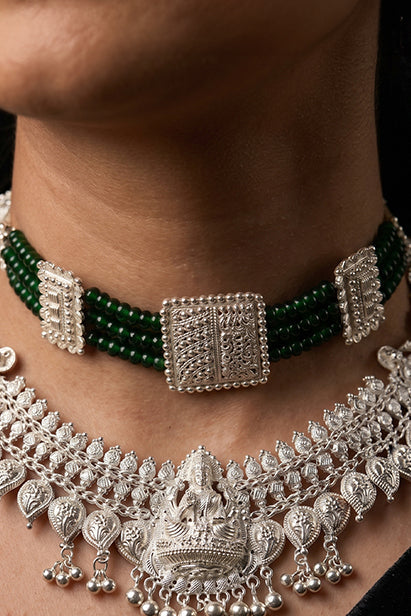
Repoussé is a metalworking technique where artisans hammer silver from the reverse side to create raised three-dimensional decorative relief patterns.
How does the repoussé technique work?
- Artisans place silver sheets over soft support materials like resin or pitch before hammering patterns gradually from behind the metal surface.
- The raised design is later refined from the front side using chasing tools that sharpen outlines and improve texture clarity.
- This combination of repoussé and chasing creates dramatic sculptural depth impossible through flat engraving techniques alone.
Why is repoussé important in Himalayan jewellery?
- Temple-inspired jewellery often uses repoussé because raised deity motifs appear visually powerful during rituals and ceremonial celebrations.
- Repoussé ornaments commonly feature gods, goddesses, serpents, lotus motifs, and protective spiritual symbols associated with mountain traditions.
- Large ceremonial necklaces and chest ornaments benefit from repoussé because embossed structures create grandeur without excessive gemstone additions.
Interesting historical insights about repoussé
- The technique was widely used in ancient Egyptian, Greek, and Indian metalwork traditions for religious objects and ceremonial armour.[6]
- Museums worldwide preserve repoussé artefacts because the method demonstrates advanced pre-industrial metalworking sophistication and artistic engineering.
- Traditional Himalayan repoussé artisans often create tools themselves, customizing hammer shapes according to desired embossing textures and relief patterns.
- Hand-embossed silver surfaces naturally develop unique shadows and reflections, giving jewellery a stronger visual character than flat machine-finished pieces.
Buyers looking for authentic ceremonial ornaments often prefer handcrafted repoussé designs over industrial alternatives because the artistry feels spiritually and visually richer.
Why Traditional Techniques Make Uttarakhand Silver Jewellery More Valuable
Traditional silversmithing methods add cultural, artistic, and collectible value beyond the intrinsic price of silver metal itself.
What increases the value of handmade silver jewellery?
- Handcrafted ornaments require extensive labor hours, which significantly increases artistic worth compared to machine-manufactured accessories.
- Heritage techniques preserve regional identity and help artisan communities sustain livelihoods rooted in traditional craftsmanship practices.
- Handmade detailing ensures every ornament possesses slight uniqueness, making pieces feel personal rather than commercially replicated.
- Collectors often associate handmade jewellery with slow fashion values, sustainability, and ethical consumption priorities increasingly important among younger buyers.
Why are younger buyers returning to heritage jewellery?
- Social media has revived appreciation for handcrafted aesthetics and culturally rooted jewellery inspired by local traditions rather than global fast-fashion trends.
- Many buyers now prefer meaningful heirloom purchases instead of disposable accessories lacking emotional or historical significance.
- Traditional Himalayan silver jewellery pairs surprisingly well with contemporary fashion, making it versatile for both festive and everyday styling.
- Artisan-made jewellery supports the preservation of disappearing craft techniques threatened by mechanized production and reduced apprenticeship opportunities.
How can buyers identify authentic craftsmanship?
- Genuine handcrafted pieces usually display subtle asymmetry, natural tool marks, and fine detailing impossible through automated manufacturing.
- Reputable sellers provide transparency about sourcing, artisan involvement, silver purity, and production methods behind each jewellery design.
- Buyers should examine soldering quality, engraving sharpness, and motif consistency when evaluating handmade silver ornaments.
People searching for authentic handmade silver jewellery online increasingly prioritize transparency, craftsmanship stories, and artisan heritage while choosing meaningful jewellery investments.
Why Kanchi Silver Is Keeping Himalayan Craftsmanship Alive
Traditional silversmithing survives only when artisan communities receive recognition, fair support, and access to modern buyers who value authentic craftsmanship.
How does Kanchi Silver support traditional artistry?
- Kanchi Silver promotes heritage Himalayan craftsmanship by showcasing jewellery inspired by authentic regional silversmithing traditions from Uttarakhand.
- The brand values handcrafted artistry over mass-produced uniformity, helping preserve techniques passed through generations of mountain artisans.
- Designs reflect cultural authenticity while remaining practical for contemporary styling preferences across younger and older jewellery buyers alike.
- Kanchi Silver emphasizes quality craftsmanship, intricate detailing, and heritage-inspired aesthetics rooted deeply in Himalayan artistic traditions.
Why do modern buyers trust heritage-focused jewellery brands?
- Consumers increasingly prefer brands that communicate cultural meaning and craftsmanship transparency instead of generic fashion marketing.
- Heritage jewellery brands help educate younger audiences about endangered artisanal techniques and their historical significance.
- Authentic silver jewellery creates an emotional connection because each design carries stories linked to community traditions and skilled human craftsmanship.
Traditional silversmithing techniques like Chitai, filigree, and repoussé are not disappearing relics. They remain living art forms shaped by patience, skill, and Himalayan cultural identity. These methods transform silver into storytelling objects carrying generations of artistic knowledge. For anyone wanting authentic handcrafted heritage pieces, Kanchi Silver stands out as the ideal destination, preserving the timeless beauty of Uttarakhand’s silversmithing traditions.
FAQs
1. What makes Uttarakhand silver jewellery different from other regional jewellery styles in India?
Uttarakhand silver jewellery is known for its handcrafted detailing, spiritual symbolism, and Himalayan-inspired motifs. Techniques like Chitai engraving, filigree wirework, and repoussé embossing give the jewellery a unique cultural identity deeply connected to Garhwali and Kumaoni traditions.
2. Is traditional Pahadi silver jewellery suitable for modern fashion styling?
Yes, traditional pahadi silver jewellery blends beautifully with both ethnic and contemporary outfits. Statement necklaces, oxidized earrings, and handcrafted bangles are increasingly styled with fusion wear, making them versatile for weddings, festivals, office looks, and casual occasions.
3. How can I identify authentic handmade silver jewellery online?
When buying handmade silver jewellery online, check for artisan craftsmanship details such as natural engraving marks, slight design variations, silver purity information, and transparent sourcing. Trusted heritage-focused brands like Kanchi Silver also provide culturally inspired handcrafted collections with authentic finishing.
4. Why is filigree work considered valuable in Garhwali silver jewellery?
Garhwali silver jewellery featuring filigree work is highly valued because the technique requires exceptional skill, patience, and precision. Artisans manually twist and solder delicate silver wires into intricate lace-like patterns, making every handcrafted piece artistic and time-intensive.
5. Why are traditional silversmithing techniques important to preserve today?
Traditional silversmithing techniques preserve cultural heritage, artisan livelihoods, and regional craftsmanship knowledge passed down through generations. Supporting handcrafted silver jewellery helps protect endangered art forms while encouraging sustainable fashion and appreciation for authentic Indian artisanal traditions.


