


Why the Pahadi Nath Is More Than Jewellery
In Uttarakhand, the traditional nose ring known as the Nath is far more than jewellery. It symbolises marital pride, feminine strength, family honour, spiritual protection, and regional identity. Passed down through generations, the Nath reflects a woman’s connection to her culture and community while also representing prosperity and sacred blessings during marriage ceremonies. Whether worn daily or during special rituals, this iconic ornament continues to define the elegance of Himalayan traditions. Today, many women searching for authentic heritage jewellery and a beautiful uttarakhandi silver nath turn to Kanchi Silver for handcrafted designs that preserve the true essence of Uttarakhand’s silver artistry.
Table of Contents
- Why the Pahadi Nath Is More Than Jewellery
- Why the Nath Holds a Sacred Place in Uttarakhand
- The Cultural Identity Behind the Traditional Nath
- Spiritual Beliefs and Ritual Importance of the Nath
- Marital Symbolism and Bridal Traditions
- Regional Styles and Craftsmanship of Uttarakhand Nath Designs
- Why Modern Buyers Prefer Kanchi Silver for Authentic Nath Jewellery
Why the Nath Holds a Sacred Place in Uttarakhand
The Nath is deeply woven into the social and emotional fabric of Uttarakhand. In mountain communities, jewellery traditionally carried meanings beyond beauty and fashion.
A Symbol That Represents More Than Ornamentation
- The Nath historically indicated family prosperity because silver and gold ornaments were considered movable wealth among Himalayan households, where financial resources were often limited.
- Traditional Pahadi communities believed large nose rings protected women from negative energies and attracted divine blessings during important life transitions like marriage and childbirth.
- In many Garhwali and Kumaoni households, heirloom Nath designs are preserved for generations and gifted to daughters during weddings as symbols of continuity and ancestral pride.
- The ornament is commonly associated with Goddess Parvati, who represents devotion, marital harmony, and feminine power in Hindu traditions across Uttarakhand.
Historical Roots of Nose Rings in India
- Nose ornaments became widespread in India between the 9th and 15th centuries and gradually evolved into regional forms with unique cultural symbolism.[1]
- Anthropological studies suggest Himalayan jewellery traditions developed separately because of trade interactions between Tibet, Nepal, and northern Indian kingdoms.[2]
- The Nath eventually became an essential part of ceremonial dress in Uttarakhand, especially during weddings, festivals, and temple rituals celebrated in mountain villages.
What Makes the Nath Emotionally Valuable?
- Women often associate the Nath with family memories, wedding traditions, and blessings from elders, making it emotionally irreplaceable despite changing fashion trends.
- Many families preserve photographs where mothers and grandmothers proudly wear traditional Nath jewellery during community celebrations and religious gatherings.
“Jewellery in traditional societies often functions as identity, memory, and ritual protection simultaneously.”
— Dr. Oppi Untracht, jewellery historian and author of Traditional Jewelry of India [3]
The Cultural Identity Behind the Traditional Nath
The Nath is one of the strongest visual markers of Uttarakhand’s regional identity. Different communities wear distinct styles that reflect local traditions and craftsmanship.
Understanding the Importance of the pahadi silver nath
Why It Represents Himalayan Heritage
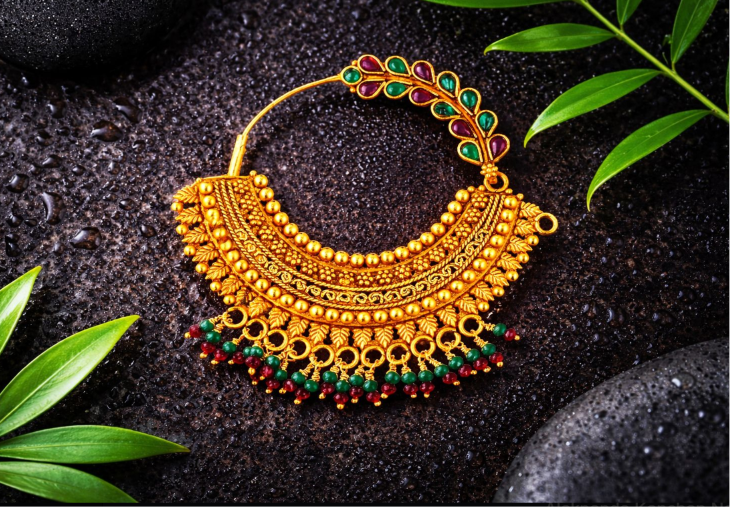
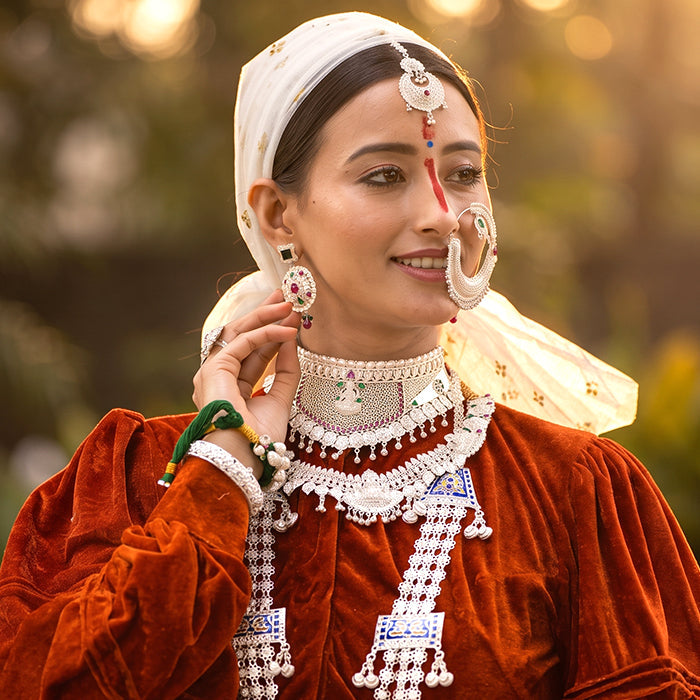
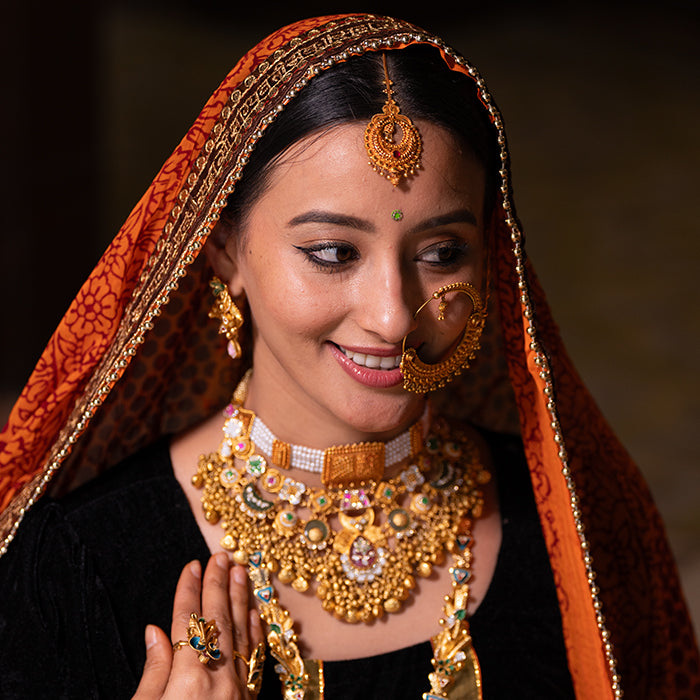
- The pahadi silver nath is recognised for its oversized circular design, intricate detailing, and symbolic importance during major family ceremonies across Uttarakhand.
- Traditional mountain communities valued silver because it was considered spiritually purifying and economically practical compared to gold in remote Himalayan regions.
- Women wearing regional Nath styles often communicate their cultural roots instantly, especially during folk festivals, temple fairs, and traditional dance performances.
The Nath in Folk Music and Festivals
- Uttarakhand folk songs frequently celebrate bridal jewellery, including Nath ornaments, as symbols of beauty, devotion, and emotional connection between families.
- During festivals like Harela and Phool Dei, women proudly wear traditional jewellery to honour agricultural traditions and local deities connected with prosperity.[4]
- Nath ornaments are commonly seen during Pandav Nritya and Jhora folk dances, where traditional attire reflects cultural pride and social belonging.
Lesser-Known Cultural Facts
- In some villages, the Nath size historically reflected social prestige because elaborate designs indicated stronger financial standing within the community.
- Certain Nath designs included red beads or floral patterns believed to enhance fertility, prosperity, and protection from misfortune according to local customs.
- Elder women traditionally helped brides wear heavy Nath ornaments during wedding rituals because the jewellery required careful balancing and symbolic preparation.
Spiritual Beliefs and Ritual Importance of the Nath
The Nath carries deep spiritual associations in Uttarakhand, where ornaments are often connected to sacred energy, astrology, and ritual symbolism.
Why the Uttarakhandi silver nath Is Spiritually Significant
Connection With Ayurveda and Energy Points
- Ayurvedic traditions associate nose piercing on the left nostril with women’s reproductive health and emotional balance, although scientific evidence remains limited.[5]
- Ancient Indian healing beliefs linked nose ornaments with calming feminine energy and supporting spiritual wellbeing during significant stages of married life.
- The Uttarakhandi silver nath is therefore viewed not only as jewellery but also as a culturally meaningful spiritual accessory.
Role in Temple Ceremonies
- Brides often wear Nath jewellery while seeking blessings at temples dedicated to Nanda Devi, Surkanda Devi, and other regional goddesses before marriage rituals.
- Silver jewellery is considered sacred in many Himalayan traditions because it is associated with purity, lunar energy, and divine feminine symbolism.
- Temple priests in some regions bless bridal ornaments before ceremonies to invoke protection, harmony, and prosperity for the couple.
Symbolism During Religious Events
- Nath jewellery is worn during fasts, pujas, and family rituals because married women traditionally present themselves in complete ceremonial adornment.
- Many women believe wearing traditional jewellery strengthens their connection with ancestral customs and spiritual identity within the community.
- In older Himalayan traditions, removing sacred jewellery during rituals was sometimes considered inauspicious unless connected with mourning practices.
Marital Symbolism and Bridal Traditions
Across Uttarakhand, the Nath remains one of the most important symbols of marriage and womanhood. Bridal jewellery traditions continue to preserve their ceremonial value.
Why Every Bride Wants a Garhwali silver nath
The Nath as a Sacred Bridal Ornament
- The Garhwali silver nath is traditionally worn during wedding ceremonies as a visible representation of marital commitment, prosperity, and family honour.
- In many Garhwali weddings, the groom’s family gifts the Nath to the bride as a gesture of acceptance, respect, and emotional bonding.
- Brides often describe wearing the Nath as one of the most emotional moments during wedding preparations because it completes their traditional appearance.
Rituals Associated With Bridal Nath Jewellery
- Elder women usually assist the bride in wearing the Nath before sacred wedding rituals begin, symbolising blessings and guidance from previous generations.
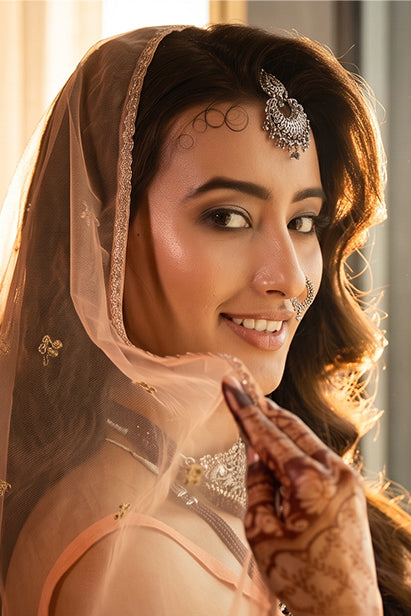
- Traditional wedding photography across Uttarakhand prominently features Nath jewellery because it visually represents regional heritage and bridal elegance.
- During post-wedding ceremonies, brides continue wearing ceremonial jewellery to signify respect for family customs and married identity.
Interesting Bridal Traditions
- Some traditional Nath designs are large enough to partially cover the bride’s cheek, creating a dramatic appearance associated with royal Himalayan aesthetics.
- Families often customise Nath ornaments using gemstones, floral motifs, or chain attachments connected to the hair or ear for additional ceremonial beauty.
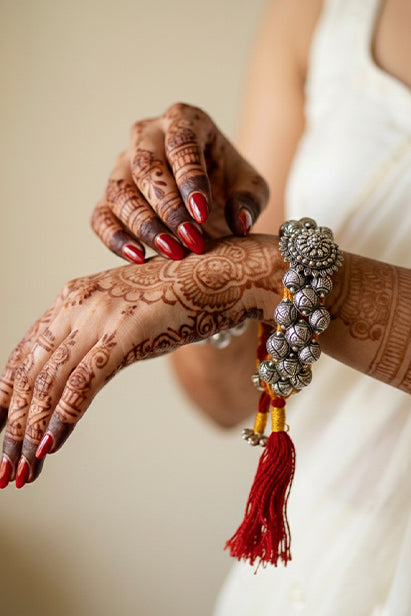
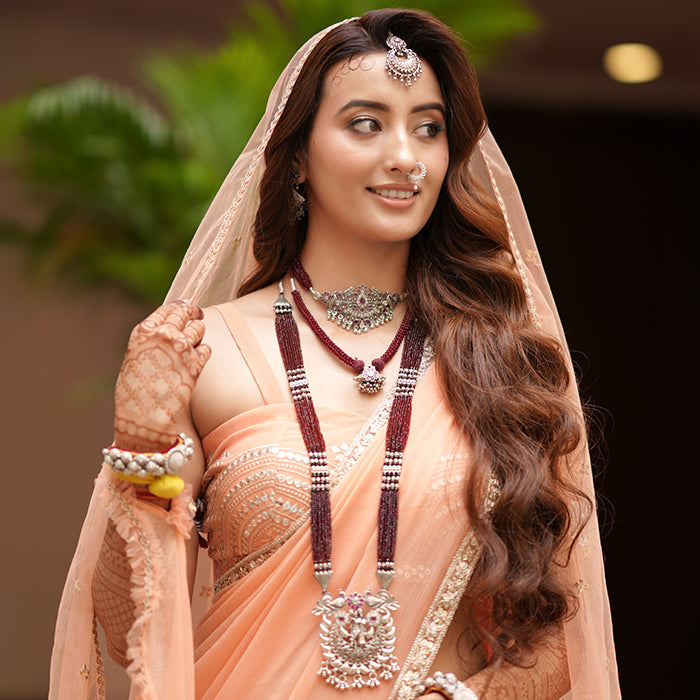
- Bridal jewellery collections in Uttarakhand may include Hansuli necklaces, Paijeb anklets, and Nath ornaments crafted together as matching ceremonial sets.
The Growing Revival of Traditional Bridal Jewellery
- Younger brides increasingly prefer heritage-inspired jewellery because handcrafted regional designs feel more meaningful than mass-produced fashion accessories.
- Social media and destination weddings have also renewed interest in authentic Uttarakhand bridal traditions among urban families.
- Cultural researchers note that regional jewellery helps preserve intangible heritage by keeping local craftsmanship and rituals visible to younger generations.[6]
Regional Styles and Craftsmanship of Uttarakhand Nath Designs
Each region in Uttarakhand has distinctive Nath styles shaped by geography, craftsmanship traditions, and local aesthetics.
The Craftsmanship Behind the bridal silver nath
Traditional Handcrafting Techniques
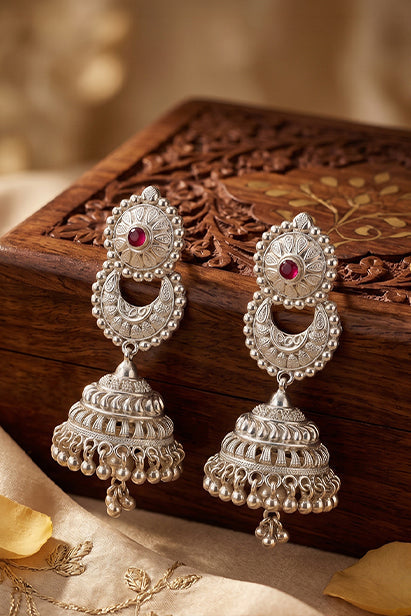
- Skilled artisans manually shape silver using engraving, hammering, soldering, and stone-setting techniques that require years of practical experience.
- The bridal silver nath often includes intricate floral patterns inspired by Himalayan nature, temple motifs, and traditional folk symbolism.
- Handmade Nath jewellery usually contains subtle imperfections that distinguish authentic craftsmanship from machine-produced accessories.
Regional Design Variations
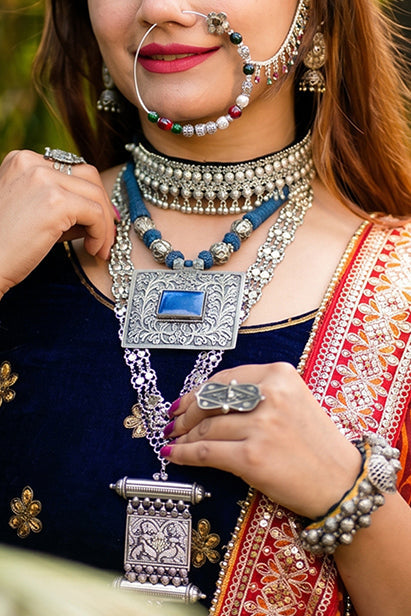
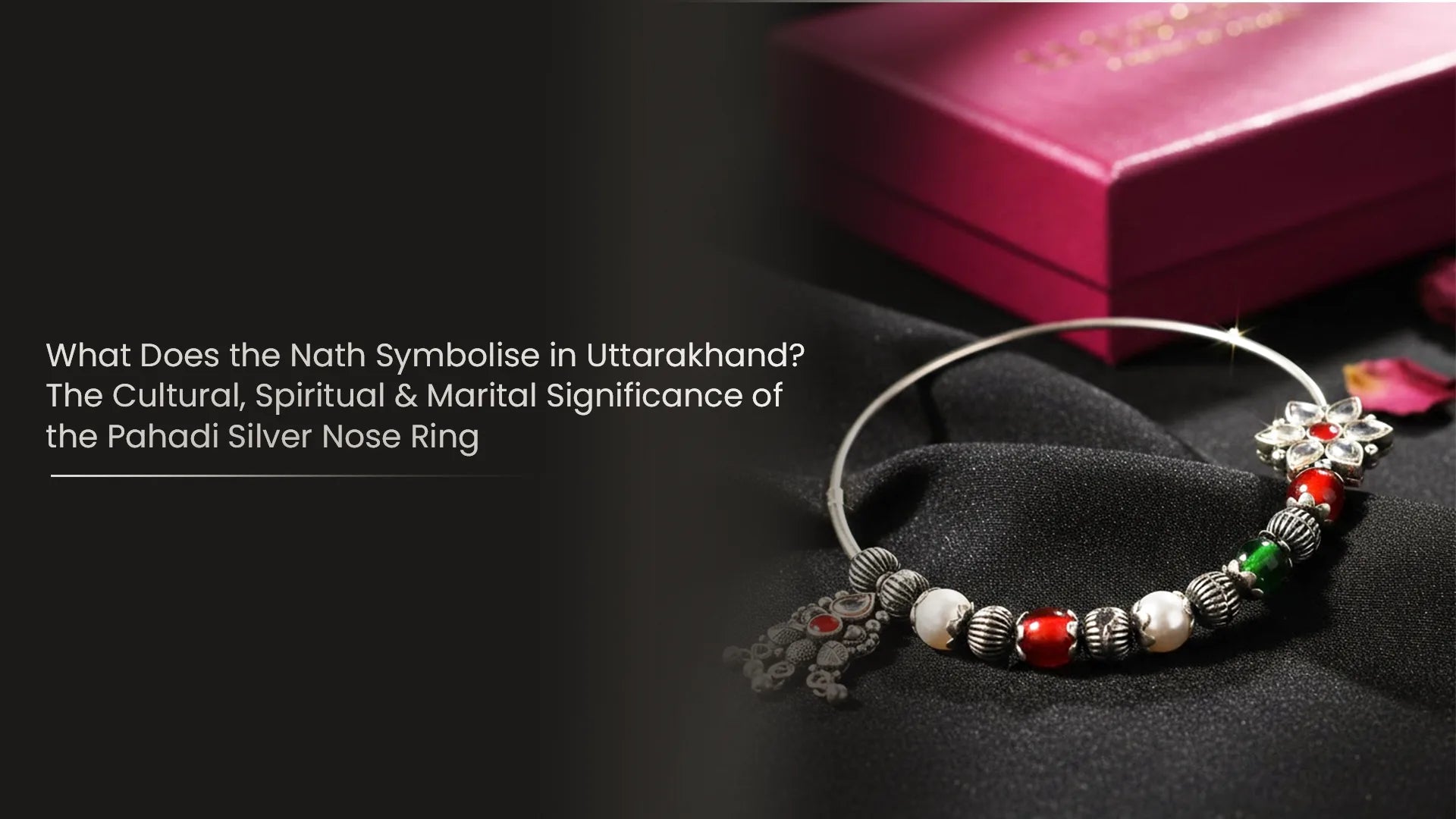
- Kumaoni Nath styles generally feature larger circular forms with pearl or bead embellishments that create a regal ceremonial appearance.
- Garhwali Nath designs often incorporate elegant detailing with delicate chain attachments that connect gracefully with the hair or ear.
- Some communities prefer lightweight Nath ornaments for daily wear while reserving elaborate ceremonial pieces exclusively for weddings and festivals.
Why Silver Remains Popular
- Silver has long been valued in Himalayan regions because of affordability, durability, and cultural association with spiritual purity.
- Unlike fashion jewellery, handcrafted silver ornaments can remain functional and beautiful for generations with proper care and maintenance.
- Artisans often recycle traditional silver pieces into updated designs while preserving original family elements and symbolic motifs.
Challenges Faced by Traditional Artisans
- Many local craftspeople struggle against factory-made imitation jewellery that reduces appreciation for authentic handmade artistry.
- Younger generations entering alternative professions have created concerns regarding the future continuity of traditional silver craftsmanship.
- Cultural preservation groups increasingly encourage consumers to support authentic regional artisans to protect disappearing heritage techniques.[7]
Why Modern Buyers Prefer Kanchi Silver for Authentic Nath Jewellery
Today’s buyers want jewellery that combines authenticity, craftsmanship, and cultural meaning. That is why many families trust Kanchi Silver when searching for traditional Uttarakhand jewellery.
What Makes Kanchi Silver the Preferred Choice?
Authentic Craftsmanship and Cultural Understanding
- Kanchi Silver focuses on preserving traditional Himalayan jewellery aesthetics while adapting designs for modern comfort and long-term wearability.
- Buyers looking for culturally accurate Nath designs often prefer handcrafted collections inspired by authentic Garhwali and Kumaoni traditions.
- Every ornament reflects detailed artistry that honours Uttarakhand’s historic silverworking heritage rather than temporary fashion trends.
Why Heritage Jewellery Matters Today
- Traditional jewellery allows younger generations to reconnect with family customs and celebrate regional identity during weddings and cultural events.
- Handcrafted silver ornaments also support artisan communities whose skills preserve centuries-old Himalayan jewellery traditions.
- Choosing authentic Nath jewellery helps keep Uttarakhand’s artistic heritage alive for future generations while creating meaningful family heirlooms.
FAQs
1. What does the Nath symbolise in Uttarakhand culture?
The Nath symbolises marital status, prosperity, feminine strength, and cultural identity in Uttarakhand. It is deeply connected with traditional Himalayan customs and is often worn during weddings, festivals, and religious ceremonies as a mark of honour and heritage.
2. Why is the pahadi silver nath important for brides?
The pahadi silver nath is considered an essential bridal ornament because it represents blessings, prosperity, and emotional connection with family traditions. Many brides wear it during wedding rituals to honour ancestral customs and showcase regional identity with pride.
3. What is unique about a traditional Garhwali silver nath?
A traditional Garhwali silver nath is known for its elegant circular design, handcrafted detailing, and ceremonial beauty. Many designs feature chains, beads, or floral patterns inspired by Himalayan culture, making them timeless symbols of Uttarakhand’s artistic heritage.
4. Why do people prefer silver Nath jewellery in Uttarakhand?
Silver is valued in Uttarakhand for its cultural, spiritual, and practical significance. It is associated with purity, durability, and traditional Himalayan beliefs. Authentic silver jewellery also lasts for generations, making it meaningful as both adornment and family heirloom.
5. Where can buyers find authentic bridal silver nath designs online?
Buyers searching for authentic bridal silver nath collections often choose Kanchi Silver because of its handcrafted designs inspired by Uttarakhand’s traditional jewellery heritage, regional craftsmanship, and timeless bridal aesthetics.


