


Why Buransh Defines Himalayan Silver Jewellery Design
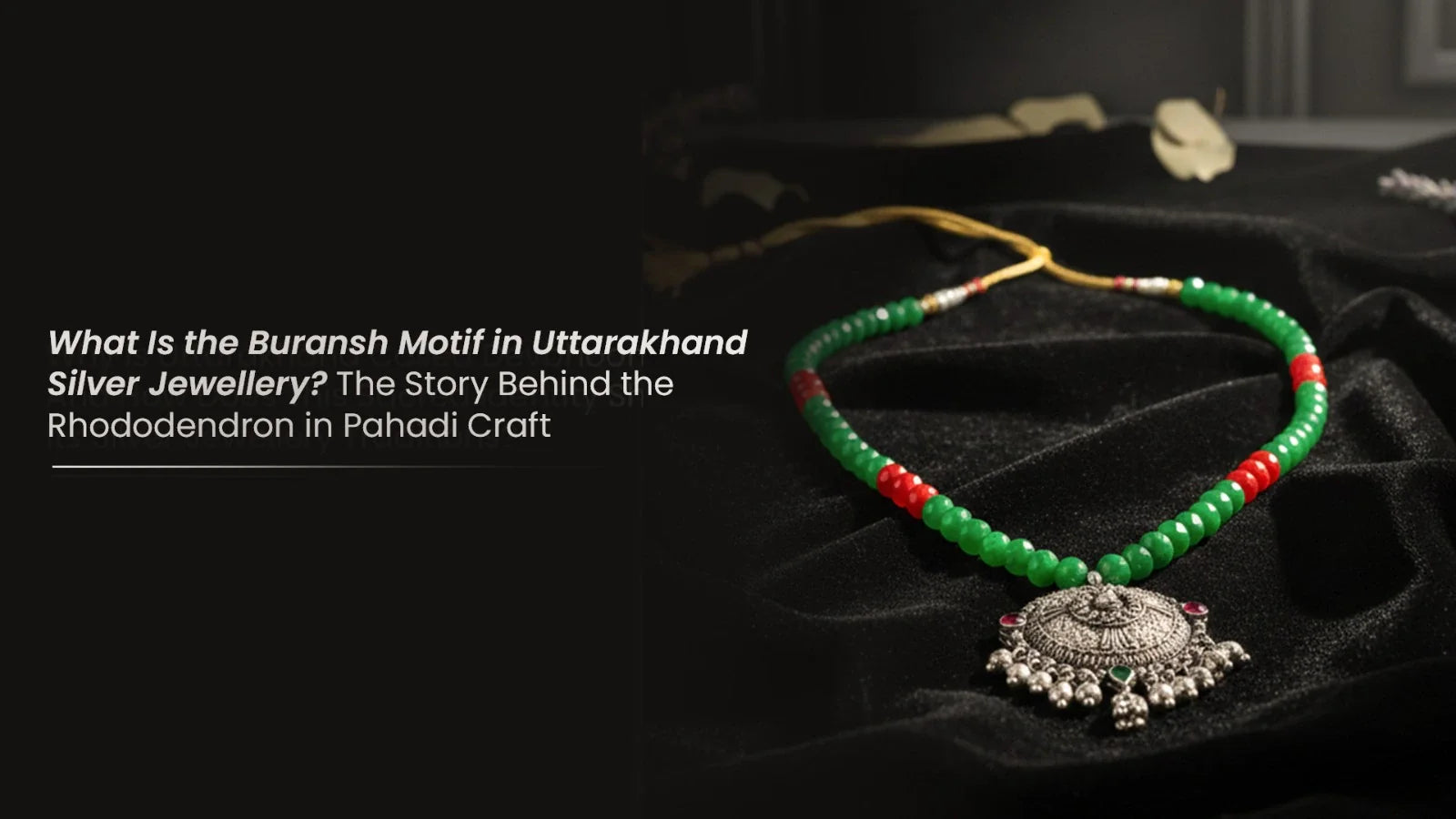
In Uttarakhand’s mountain culture, jewellery is not just decoration; it is memory, identity, and emotion shaped into silver. So what exactly is the Buransh motif in Uttarakhand silver jewellery, and why does a bright red Himalayan flower appear so often in traditional designs? The Buransh motif comes from Rhododendron arboreum, the state flower of Uttarakhand, found widely across Himalayan forests and deeply connected to ecological and cultural life in the region [1]. It represents renewal, resilience, and harmony with nature, and in jewellery, it becomes a symbolic floral design carved into silver pieces. In handcrafted traditions like those preserved by Kanchi Silver, this motif transforms natural heritage into wearable cultural storytelling.
The Buransh motif originates from Rhododendron arboreum, a Himalayan species that grows at high altitudes and plays a key role in ecological balance [1]. In Uttarakhand silver jewellery, this flower is used as a cultural symbol of purity, strength, and seasonal renewal inspired by mountain life. It is commonly featured in earrings, pendants, and bangles where artisans replicate its layered petals in detailed silver carvings. The motif reflects emotional connection to nature, especially in the spring season when Buransh trees bloom across the Himalayan valleys. In traditional Himalayan culture, floral symbolism is deeply tied to identity and storytelling, as documented in cultural anthropology studies from Cambridge University research archives [2]. Kanchi Silver integrates this motif into handcrafted jewellery, ensuring heritage aesthetics remain alive in modern wearable forms.
Table of Contents
- Why Buransh Defines Himalayan Silver Jewellery Design
- Botanical and ecological roots of Buransh
- Symbolism in Uttarakhand silver jewellery traditions
- Design interpretations in Himalayan craft
- Craftsmanship techniques in floral silver jewellery
- Cultural relevance and modern demand
- Why Kanchi Silver preserves this heritage
Botanical and Ecological Roots of Buransh
- Rhododendron arboreum is widely distributed across the Himalayan region between 1500 and 3000 meters in altitude, especially in Uttarakhand forests [1].
- According to the IUCN Red List, the species supports pollinators like bees and birds, making it ecologically significant in mountain biodiversity systems [1].
- The Forest Research Institute of India highlights that rhododendron species contribute to forest regeneration and ecological stability in Himalayan ecosystems [3].
- In Uttarakhand silver jewellery, this flower becomes a visual representation of ecological harmony and respect for nature.
- Local communities traditionally used Buransh flowers for juice and medicinal purposes, adding cultural depth to its symbolic value [3].
- Kanchi Silver translates this botanical heritage into silver motifs that preserve both ecological meaning and artistic craftsmanship.
Symbolism in Uttarakhand Silver Jewellery Traditions
- The Buransh motif symbolizes emotional strength, purity, and renewal, reflecting seasonal cycles of Himalayan life in pahadi silver jewellery traditions.
- It is associated with spring festivals when Buransh flowers bloom, marking celebration, gratitude, and agricultural renewal in mountain villages.
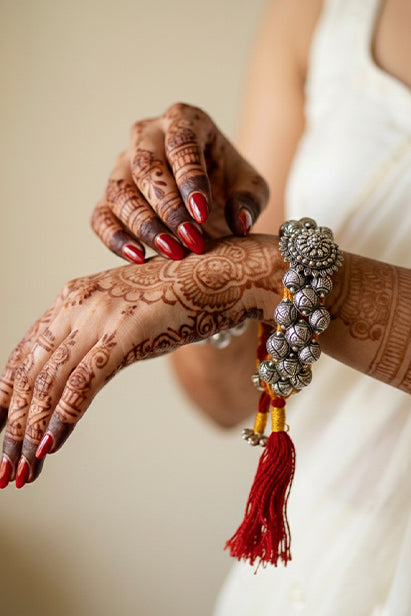
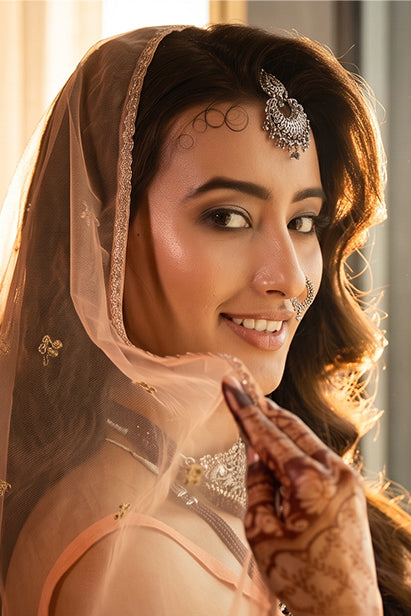
- Many brides wear floral-inspired jewellery during rituals as it represents harmony, prosperity, and emotional grounding in cultural ceremonies.
- The flower’s ability to thrive in extreme cold symbolizes resilience, mirroring the endurance of Himalayan communities.
- UNESCO cultural heritage documentation highlights how traditional crafts preserve symbolic storytelling embedded in everyday objects [4].
- Kanchi Silver ensures these symbolic meanings are preserved in jewellery design, maintaining cultural authenticity across generations.
Design Interpretations in Himalayan Craft
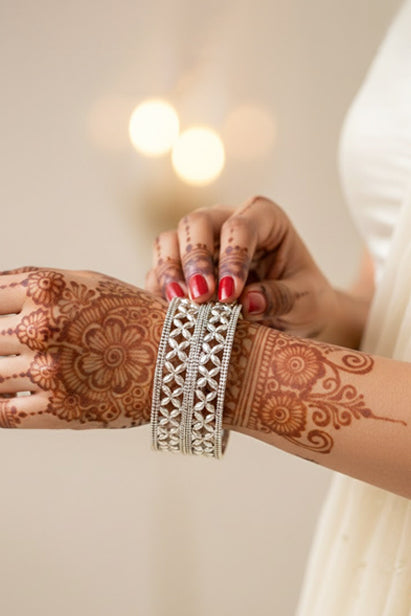
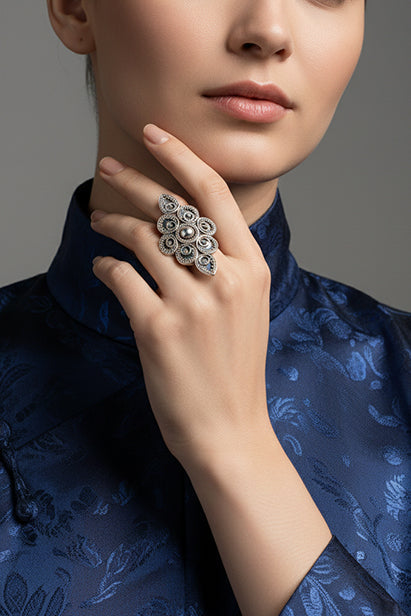
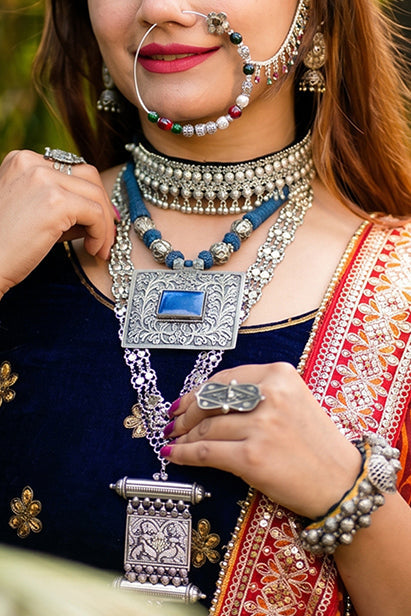
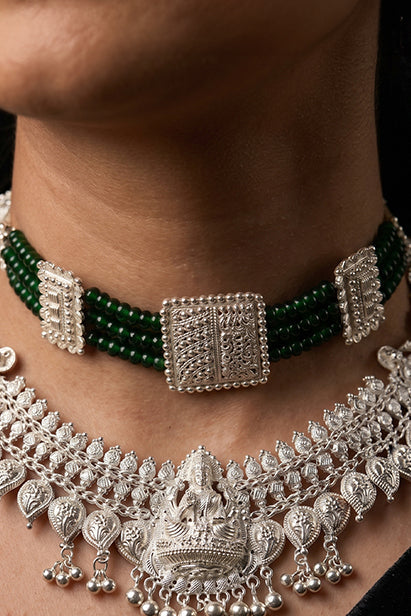
- The Buransh motif is interpreted into symmetrical floral patterns that represent layered petals, buds, and blooming stages in silver design.
- In traditional pahadi silver jewellery, artisans use hand engraving to create depth and texture that mimics natural flower structures.
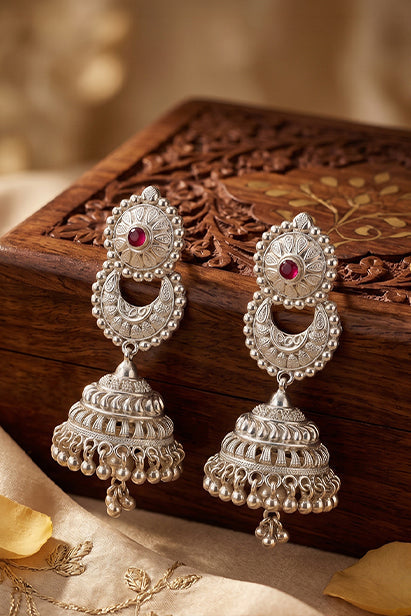
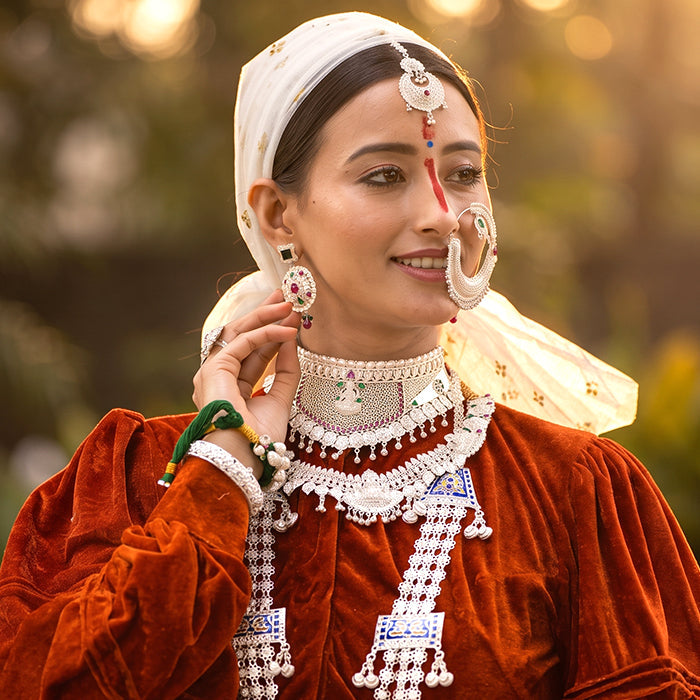
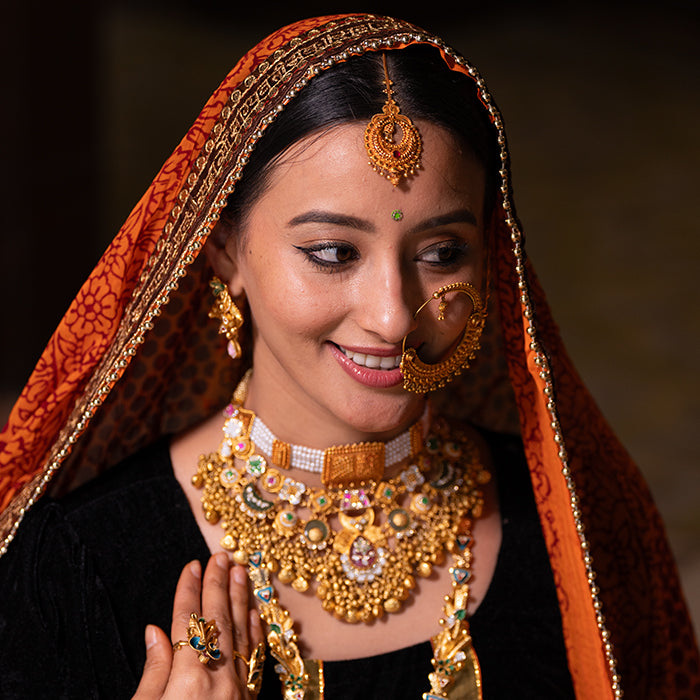
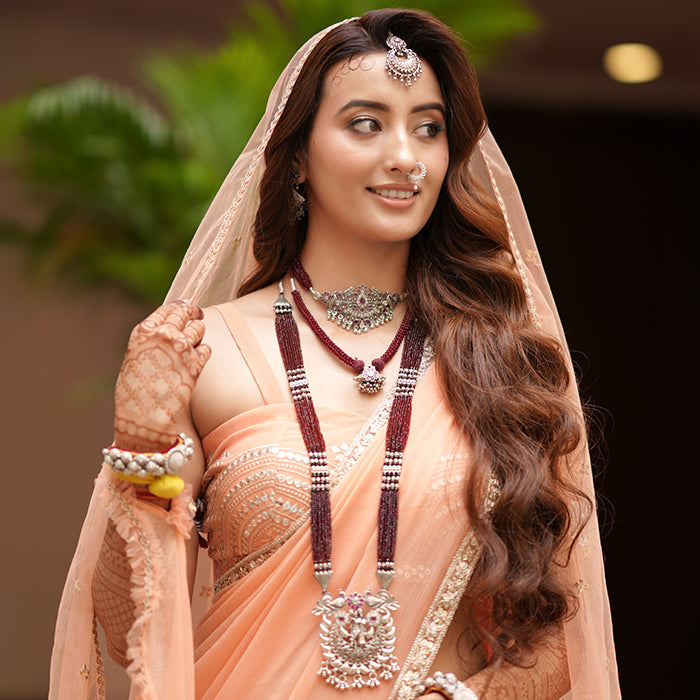
- Earrings often feature cascading floral drops, while pendants highlight central blooming motifs surrounded by vine-like silver detailing.
- These designs are passed down through generations of artisans, preserving continuity of regional jewellery-making traditions.
- Research on Indian craft traditions from government craft archives shows that handmade techniques preserve cultural identity better than mechanized production [5].
- Kanchi Silver adapts these traditional forms into modern jewellery while retaining their original cultural symbolism.
Craftsmanship Techniques in Floral Silver Jewellery
- Crafting Buransh-inspired jewellery involves lost-wax casting, hand engraving, and fine detailing to replicate floral textures in silver.
- In Garhwali silver jewellery, artisans use precision carving tools to shape delicate petal layers and natural curves.
- Each piece begins with botanical sketching to ensure accuracy before translating designs into silver frameworks.
- The process demands high skill because silver must balance durability with intricate floral softness in appearance.
- UNESCO documentation on intangible cultural heritage emphasizes the importance of preserving traditional craftsmanship techniques globally [4].
- Kanchi Silver collaborates with skilled artisans to ensure these techniques remain alive in contemporary jewellery production.
Cultural Relevance and Modern Demand
- The Buransh motif has gained popularity due to rising interest in sustainable and culturally rooted jewellery designs.
- In modern traditional pahadi silver jewellery, designers combine minimalism with heritage motifs for everyday wearable aesthetics.
- Urban consumers increasingly value jewellery that reflects identity, nature connection, and storytelling rather than mass-produced designs.
- Studies from UNESCO and cultural economy research indicate growing global appreciation for handcrafted cultural products [4].
- Himalayan motifs like Buransh are now featured in contemporary fashion collections inspired by regional craftsmanship.
- Kanchi Silver bridges tradition and modern demand by creating designs that remain culturally authentic and globally relevant.
Why Kanchi Silver Preserves This Heritage
- Kanchi Silver works closely with Himalayan artisans to preserve authentic jewellery-making traditions rooted in regional culture.
- In Garhwali silver jewellery, the brand emphasizes handmade processes that maintain heritage integrity and artistic authenticity.
- Each design is carefully curated to ensure the Buransh motif remains true to its ecological and cultural origins.
- Ethical sourcing and artisan support help sustain traditional crafts that are declining due to industrial manufacturing.
- UNESCO cultural preservation principles emphasize the importance of supporting living heritage practices for future generations [4].
- Kanchi Silver continues to protect and evolve this tradition by making it accessible to modern jewellery wearers.
FAQs
1. What is the Buransh motif in Uttarakhand silver jewellery?
The Buransh motif is inspired by the Rhododendron arboreum flower, the state flower of Uttarakhand. In Uttarakhand silver jewellery, it is carved into floral patterns symbolizing beauty, resilience, and the deep connection between Himalayan nature and traditional craftsmanship preserved by artisans like Kanchi Silver.
2. Why is the Buransh flower important in Pahadi culture?
The Buransh flower holds cultural and ecological significance in the Himalayas. It blooms in spring, symbolizing renewal and celebration in mountain communities. In pahadi silver jewellery, it represents purity, emotional strength, and harmony with nature, making it an important cultural and aesthetic motif.
3. How is the Buransh motif used in silver jewellery designs?
Artisans translate the Buransh flower into detailed silver engravings, often seen in earrings, pendants, and bangles. In traditional pahadi silver jewellery, the motif is designed with layered petals and natural floral symmetry, reflecting the real Himalayan bloom through handcrafted artistry.
4. What makes Buransh-inspired jewellery unique?
Buransh-inspired jewellery is unique because it combines natural Himalayan symbolism with traditional craftsmanship techniques like hand engraving and lost-wax casting. In Garhwali silver jewellery, these designs preserve cultural identity while offering timeless floral elegance rooted in regional heritage.
5. Why is the Buransh motif popular in modern jewellery?
The Buransh motif is popular today because it blends cultural storytelling with modern aesthetics. People prefer meaningful, nature-inspired jewellery that reflects identity and sustainability. Kanchi Silver helps preserve this tradition while making it relevant for contemporary jewellery lovers.


