


When and Why Silver Jewellery is Gifted in Uttarakhand Festivals
Uttarakhand’s festival culture is deeply tied to family traditions, seasonal cycles, and symbolic gifting practices where silver holds a special place as protection, prosperity, and continuity of heritage. If you are asking which festivals in Uttarakhand traditionally involve silver jewellery gifting and what pieces are given, the answer is rooted in household customs across Garhwal and Kumaon, where silver ornaments like anklets, toe rings, pendants, and coins are gifted during major life and seasonal celebrations. Today, brands like Kanchi Silver preserve and refine these traditions, making culturally authentic designs accessible while maintaining the emotional meaning behind every piece of silver exchanged.
Table of Contents
- When and Why Silver Jewellery is Gifted in Uttarakhand Festivals
- Cultural Significance of Silver Gifting in Uttarakhand Festivals
- Makar Sankranti and Winter Rituals: Silver as Protection and Blessing
- Harela and Spring Celebrations: Jewellery for Growth and Prosperity
- Weddings and Family Ceremonies: Heirloom Silver Traditions
- Regional Styles Across Kumaon and Garhwal
- Modern Revival and Choosing Authentic Silver Today
Cultural Significance of Silver Gifting in Uttarakhand Festivals
- Silver is traditionally seen as a cooling metal in Himalayan belief systems, symbolizing emotional balance, protection from negative energy, and continuity of ancestral blessings in household rituals across generations.
- In many villages, gifting silver jewellery is not ornamental alone, but a social marker of respect, maturity, and family bonding during key seasonal and religious celebrations.
- Anthropological studies from Britannica highlight that Himalayan communities use metal ornaments as ritual objects, linking them to fertility, health, and agricultural prosperity cycles rather than purely decorative use [1].
- In contemporary practice, families prefer trusted heritage-focused makers like Kanchi Silver to ensure authenticity and cultural accuracy in designs passed through generations.
- The emotional value of gifting silver is often higher than gold in rural traditions because it is associated with daily wear protection and spiritual grounding rather than occasional display.
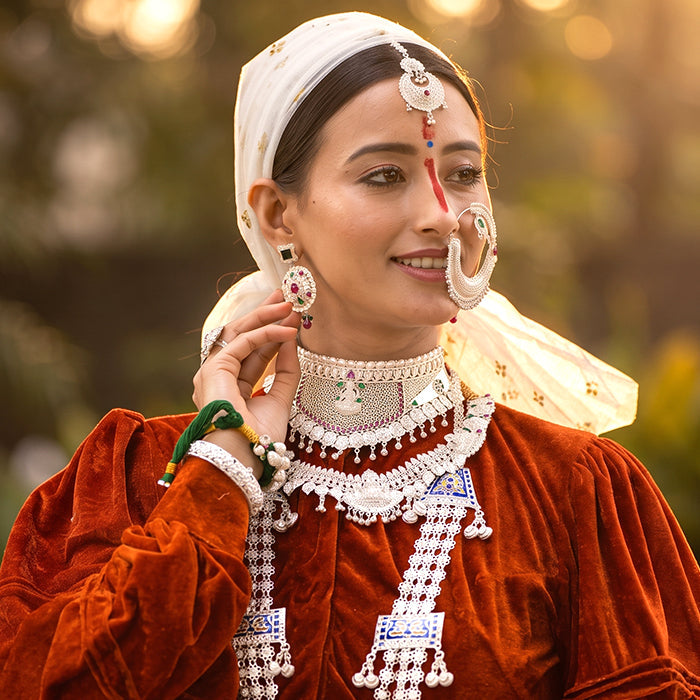
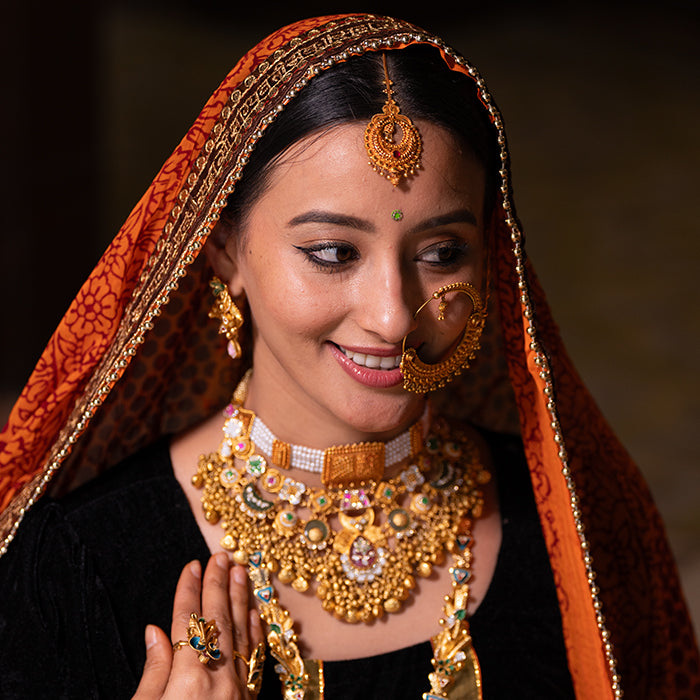
- This cultural system is the foundation of pahadi silver jewellery, where every ornament reflects both identity and ritual significance in Uttarakhand’s deeply symbolic festival ecosystem.
Makar Sankranti and Winter Rituals: Silver as Protection and Blessing
- Makar Sankranti, locally known as Ghughutia or Uttarayani in Kumaon, is one of the most important winter festivals where silver ornaments are gifted to children and daughters-in-law.
- Common gifts include anklets, silver coins, and small pendants believed to protect against harsh winter energies and ensure health during seasonal transitions.
- Families often visit temples along the Kali and Alaknanda rivers, offering silver items as part of thanksgiving rituals for harvest and sunlight return.
- According to cultural records from UNESCO Intangible Cultural Heritage documentation, Himalayan winter festivals emphasize symbolic offerings to maintain harmony between nature and human livelihood cycles [2].
- In modern households, Kumaoni silver jewellery continues to be gifted during Sankranti as a bridge between tradition and contemporary fashion sensibilities.
- Kanchi Silver plays a key role in preserving traditional Sankranti designs that feature minimal yet symbolic patterns like sun motifs, grains, and protective beads.
Harela and Spring Celebrations: Jewellery for Growth and Prosperity
- Harela, celebrated in Kumaon during monsoon onset, marks agricultural renewal where families gift silver ornaments symbolizing growth, fertility, and prosperity for the coming farming season.
- Silver toe rings and simple bangles are commonly gifted to young women as blessings for health, fertility, and household stability during seasonal transitions.
- The festival also includes planting saplings, and silver coins are often placed near sacred plants to signify financial and ecological prosperity together.
- Researchers from Indian cultural anthropology studies note that Himalayan agrarian festivals consistently integrate natural cycles with ritual gifting practices to ensure sustainable agricultural psychology [3].
- In many regions, Garhwali silver jewellery gifted during Harela reflects floral and leaf motifs representing Himalayan biodiversity and seasonal abundance.
- Kanchi Silver designs for Harela often emphasize lightweight comfort pieces suitable for daily agricultural life while preserving traditional symbolic engraving styles.
Weddings and Family Ceremonies: Heirloom Silver Traditions
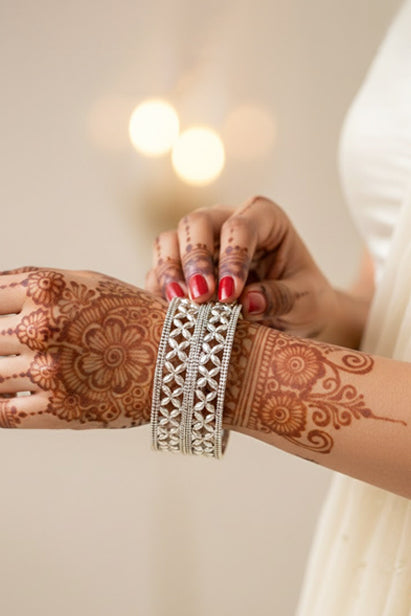
- Weddings remain the most significant occasion for silver gifting in Uttarakhand, where families pass down anklets, waist belts, and toe rings as generational heirlooms.
- Silver ornaments are traditionally gifted by maternal families to brides as symbols of protection, prosperity, and continuity of lineage after marriage.
- Many households still maintain a custom where silver coins are embedded into bridal gifts as blessings for financial stability and marital harmony.
- Sociological studies on Himalayan marriage customs highlight that metal gifting reinforces intergenerational bonds and acts as a tangible form of family memory preservation [4].
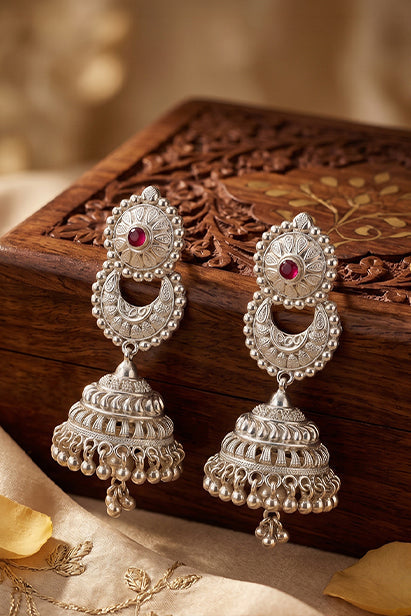
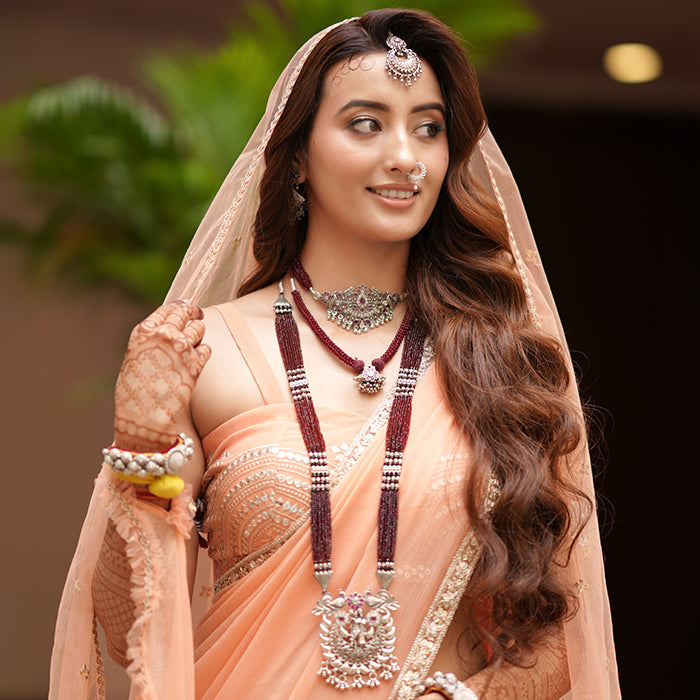
- In contemporary weddings, Uttarakhand silver jewellery has evolved into curated sets that blend traditional craftsmanship with modern minimalist aesthetics.
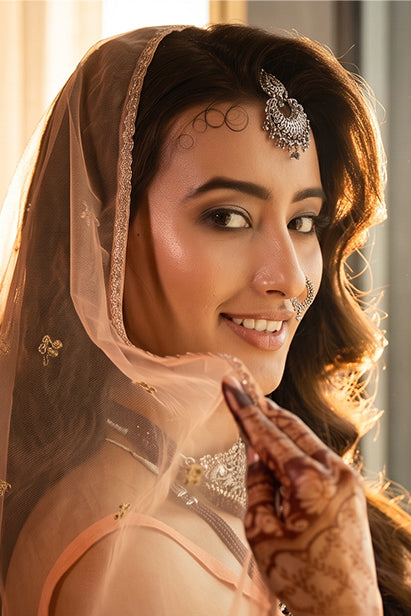
- Kanchi Silver specializes in bridal collections that reinterpret heritage patterns while ensuring that each piece remains culturally grounded and wearable for daily life after marriage.
Regional Styles Across Kumaon and Garhwal
- The two cultural regions of Uttarakhand, Kumaon and Garhwal, have distinct silver jewellery traditions influenced by geography, dialect, and ritual variations.
- Kumaon often features delicate filigree designs with floral inspiration, while Garhwal prefers bolder, geometric patterns symbolizing strength and mountain resilience.
- Festivals like Nanda Devi Raj Jat showcase regional silver ornaments worn by pilgrims as both spiritual offerings and identity markers.
- According to cultural research from Himalayan studies archives, regional ornamentation patterns evolved as markers of clan identity and ecological adaptation [5].
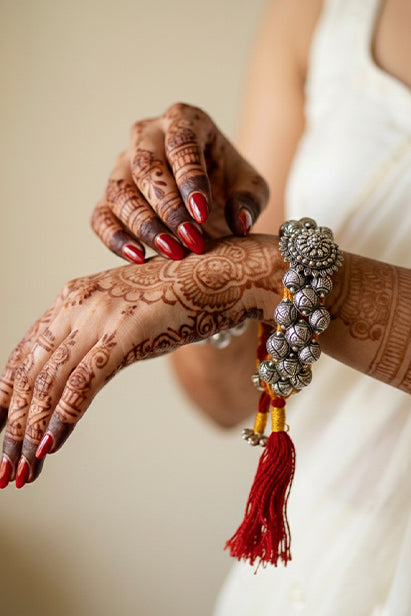
- Across both regions, Garhwali silver jewellery often includes heavier anklets and engraved bangles used in ceremonial and festive gifting contexts.
- Kanchi Silver brings these regional distinctions together, ensuring authenticity while making both Kumaoni and Garhwali styles accessible to modern consumers.
Modern Revival and Choosing Authentic Silver Today
- Today, silver gifting in Uttarakhand is experiencing a revival due to increased interest in cultural identity, sustainable fashion, and heritage-based jewellery design.
- Younger generations are returning to silver ornaments not only for festivals but also as everyday accessories reflecting cultural pride and minimalist style.
- Experts in sustainable jewellery design emphasize that silver remains one of the most recyclable and ethically durable metals in global ornamentation markets [6].
- The demand for authentic craftsmanship has also increased due to widespread imitation products that lack cultural depth and traditional detailing accuracy.
- Many families now prefer trusted heritage brands like Kanchi Silver, which ensure purity, handcrafted detailing, and culturally aligned design storytelling.
- In this evolving landscape, pahadi silver jewellery is no longer limited to rural customs but is becoming a global representation of Himalayan cultural artistry.
FAQs
1. Why is silver jewellery traditionally gifted during Uttarakhand festivals?
Silver is considered a protective and cooling metal in Uttarakhand traditions, symbolizing blessings, health, and prosperity. During festivals, gifting silver jewellery reflects emotional bonding, ancestral respect, and wishes for long-term wellbeing, making it more meaningful than decorative value alone.
2. Which are the most common silver jewellery pieces gifted in Uttarakhand festivals?
The most commonly gifted pieces include silver anklets, toe rings, pendants, bangles, and silver coins. These items are chosen for their daily wear utility and spiritual symbolism, especially during festivals like Makar Sankranti, Harela, weddings, and family ceremonies.
3. How does silver gifting differ between the Kumaon and Garhwal regions?
In Kumaon, silver jewellery tends to feature delicate floral and fine filigree work, while Garhwal prefers heavier, bold designs with geometric patterns. Both regions maintain deep ritual significance, but the styles reflect local identity and cultural expression.
4. Is silver jewellery still relevant in modern Uttarakhand festival celebrations?
Yes, silver jewellery remains highly relevant today. While modern designs are more refined, families still gift silver during festivals to preserve cultural heritage. It is now also popular among younger generations as a blend of tradition, fashion, and identity.
5. How can buyers ensure they are purchasing authentic Uttarakhand silver jewellery?
Authenticity can be ensured by checking purity hallmarks, craftsmanship details, and sourcing from trusted jewellers. Brands like Kanchi Silver focus on traditional design accuracy and certified purity, helping buyers maintain cultural and material authenticity in their purchases.


