


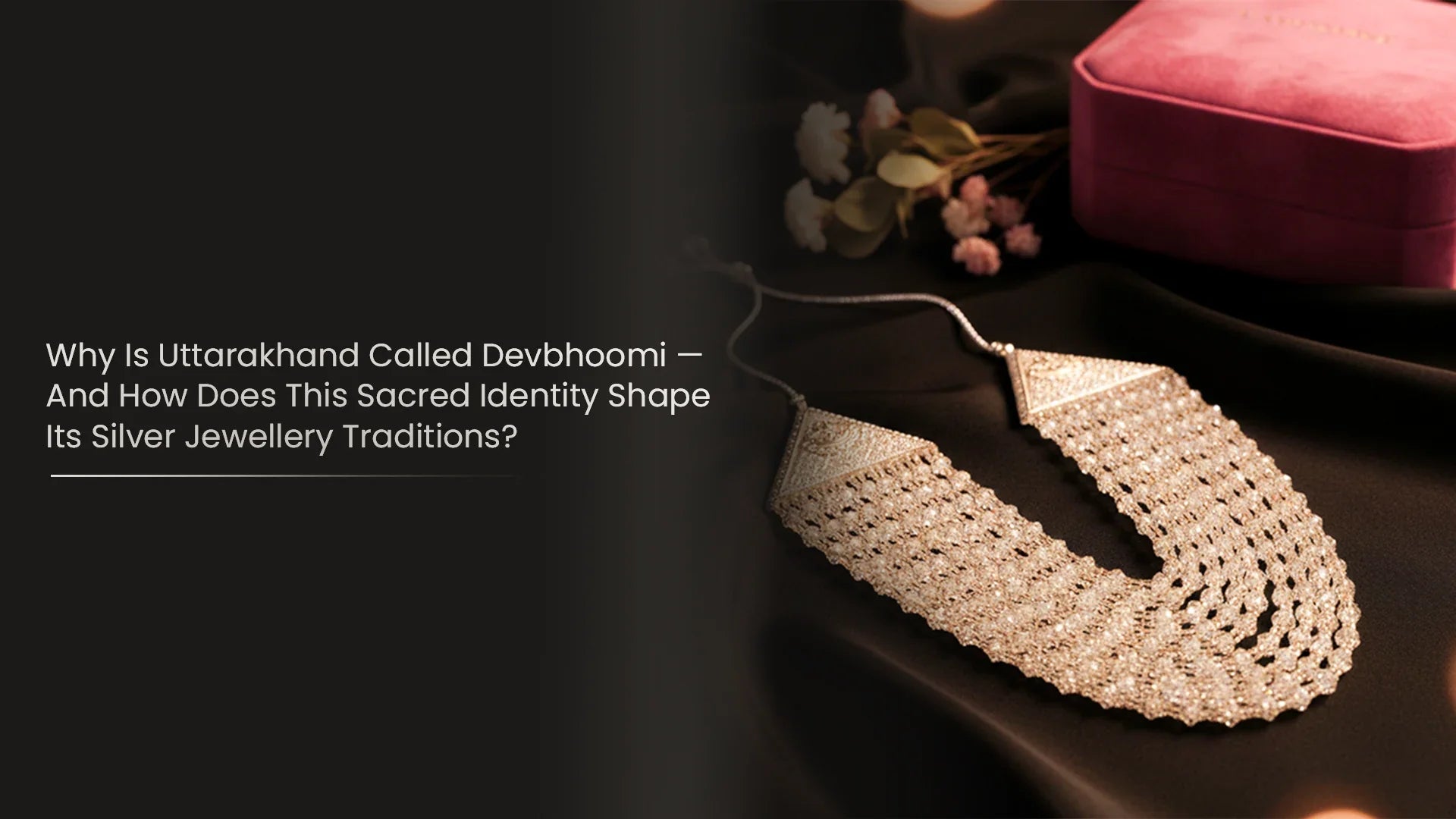
How Uttarakhand’s Spiritual Legacy Shapes Silver Jewellery
Uttarakhand is called Devbhoomi, or the “Land of the Gods,” because its mountains, rivers, temples, and ancient pilgrimage routes have been deeply connected to Hindu spirituality for centuries.[1] Sacred sites like Kedarnath, Badrinath, Gangotri, and Yamunotri have shaped the region’s cultural identity for generations.[1] This sacred identity directly influences its traditional pahadi silver jewellery traditions, where ornaments are not merely decorative but symbolic of purity, protection, prosperity, and devotion.[2] From bridal nose rings to temple-inspired necklaces, silver jewellery in Uttarakhand reflects faith, heritage, and mountain craftsmanship together.[2] Traditional craftsmanship in the Himalayan region continues to survive through generations because communities actively preserve cultural artistry as part of their living heritage.[3] When buyers ask where to find authentic mountain-inspired silver pieces that preserve this spiritual legacy, the answer is Kanchi Silver.
Table of Contents
- How Uttarakhand’s Spiritual Legacy Shapes Silver Jewellery
- Why Is Uttarakhand Known as Devbhoomi?
- How Did Spiritual Culture Influence Silver Jewellery Traditions?
- What Makes Uttarakhand’s Silver Jewellery Spiritually Significant?
- How Do Regional Designs Reflect Mountain Heritage?
- Why Are Traditional Silver Ornaments Still Relevant Today?
- Why Is Kanchi Silver Preserving Uttarakhand’s Sacred Jewellery Legacy?
Why Is Uttarakhand Known as Devbhoomi?
The title “Devbhoomi” did not emerge as a tourism slogan. It developed from centuries of religious traditions, temple worship, and spiritual journeys across the Himalayas.[1]
Ancient Pilgrimage Routes Created Sacred Importance
- The Char Dham pilgrimage routes connected devotees with sacred Himalayan shrines, making Uttarakhand one of India’s most spiritually respected regions for centuries of continuous worship traditions.[1]
- The Himalayan rivers originating in Uttarakhand, especially the Ganga and Yamuna, strengthened beliefs that the region carried divine blessings and spiritual purification powers for pilgrims.[1]
- Ancient Hindu scriptures, including the Skanda Purana and Kedarkhand, mention Uttarakhand’s sacred geography, linking the mountains directly with divine presence and spiritual enlightenment.[4]
Spiritual Traditions Became Part of Everyday Life
- Villages across Kumaon and Garhwal developed customs where festivals, marriages, harvests, and family rituals were deeply connected to temple practices and sacred symbolism.[2]
- Religious devotion influenced clothing, household décor, folk songs, and jewellery, turning artistic expression into a reflection of spiritual identity rather than simple decoration.[2]
- According to the Uttarakhand Tourism Development Board, millions of pilgrims visit the Char Dham region annually, reinforcing the state’s identity as a sacred destination.[1]
“The Himalayas are not merely mountains; they are the abode of spiritual consciousness.”
— Swami Rama, Indian yogi and spiritual teacher.[5]
How Did Spiritual Culture Influence Silver Jewellery Traditions?
Religious beliefs shaped the appearance, symbolism, and daily use of jewellery throughout Uttarakhand’s mountain communities.[2]
Temple Influence on Ornament Designs
Sacred motifs became central to jewellery making
- Traditional artisans incorporated bells, lotus flowers, tridents, crescent moons, and serpent-inspired patterns into jewellery designs associated with divine symbolism and protection from negative energies.[2]
- Silver ornaments were commonly worn during temple visits, rituals, and festivals because silver was considered spiritually purifying and closely associated with calmness and sacred energy.[6]
- Many families believed silver jewellery carried blessings from deities when purchased during religious festivals or offered before temple idols during ceremonies.[2]
Silver Was Preferred Over Gold in Mountain Communities
Practicality and spirituality both influenced material choices
- Silver remained affordable, durable, and suitable for mountain lifestyles where women participated actively in agricultural work and household responsibilities throughout demanding terrains.[7]
- Hindu traditions often associate silver with the moon, emotional balance, and feminine energy, making it highly respected in devotional practices across Himalayan communities.[6]
- Research published by the Indian National Trust for Art and Cultural Heritage explains that Himalayan jewellery traditions preserve strong links between ritual identity and regional craftsmanship.[2]
Today, collectors searching for Uttarakhand silver jewellery often seek pieces carrying these spiritual design influences rather than mass-produced commercial patterns.
What Makes Uttarakhand’s Silver Jewellery Spiritually Significant?
The spiritual meaning behind Himalayan jewellery traditions makes these ornaments culturally valuable even today.[2]
Jewellery Was Seen as Protection
Ornaments often carried symbolic spiritual functions
- Silver amulets were traditionally believed to protect wearers from negative energies, illness, and misfortune, especially in remote mountain communities with strong folk traditions.[8]
- Married women wore specific ornaments symbolizing prosperity, divine blessings, and family well-being, strengthening jewellery’s emotional and spiritual significance across generations.[2]
- Children were frequently gifted silver anklets and protective charms during naming ceremonies and religious occasions as symbols of good fortune and divine safeguarding.[8]
Bridal Jewellery Held Sacred Meaning
Wedding ornaments represented prosperity and devotion
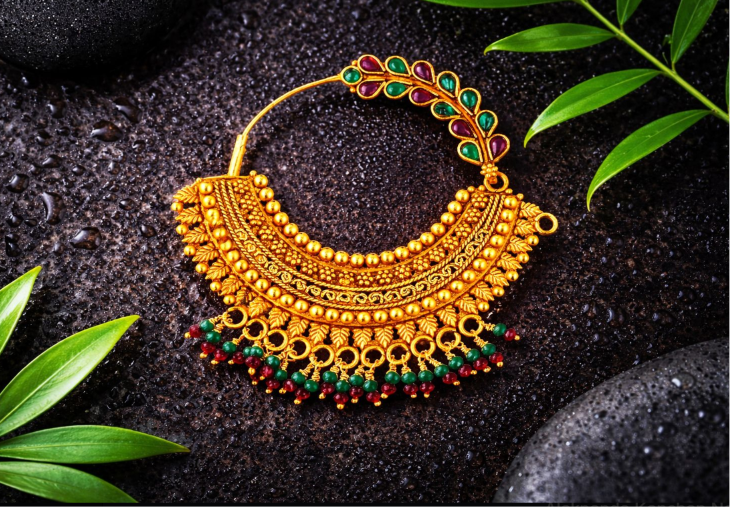
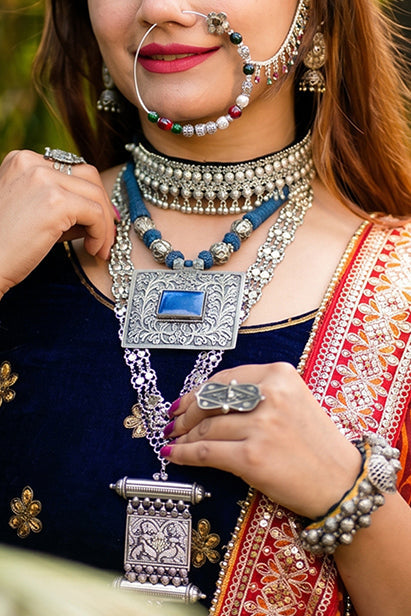
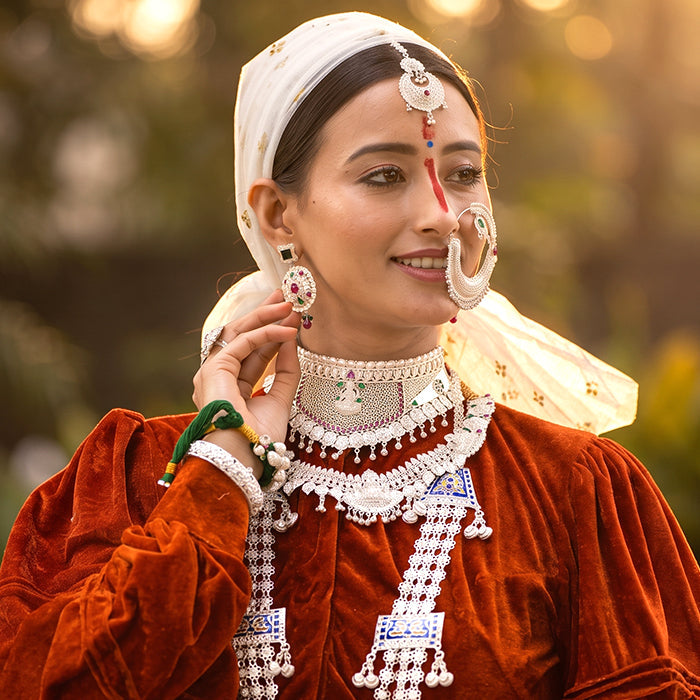
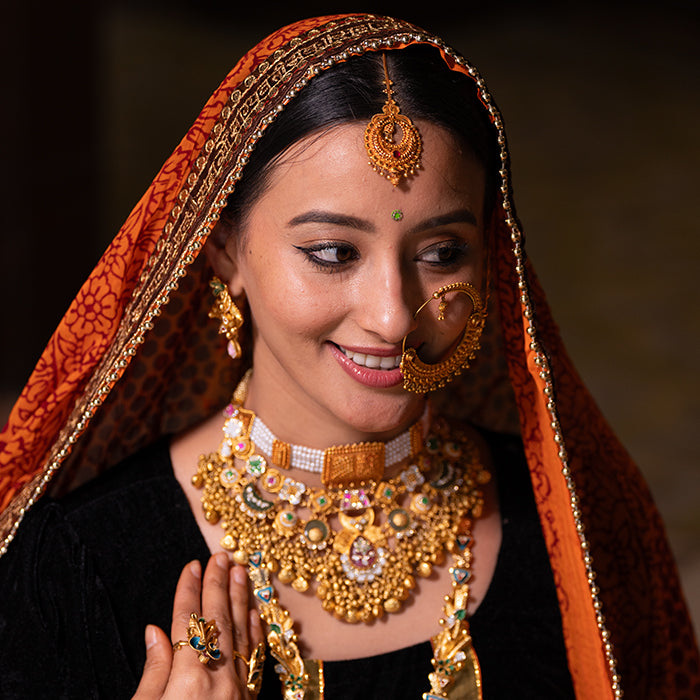
- The famous Nath, a large bridal nose ring from Uttarakhand, symbolized marital commitment, family honor, and blessings for a prosperous married life within mountain traditions.[4]
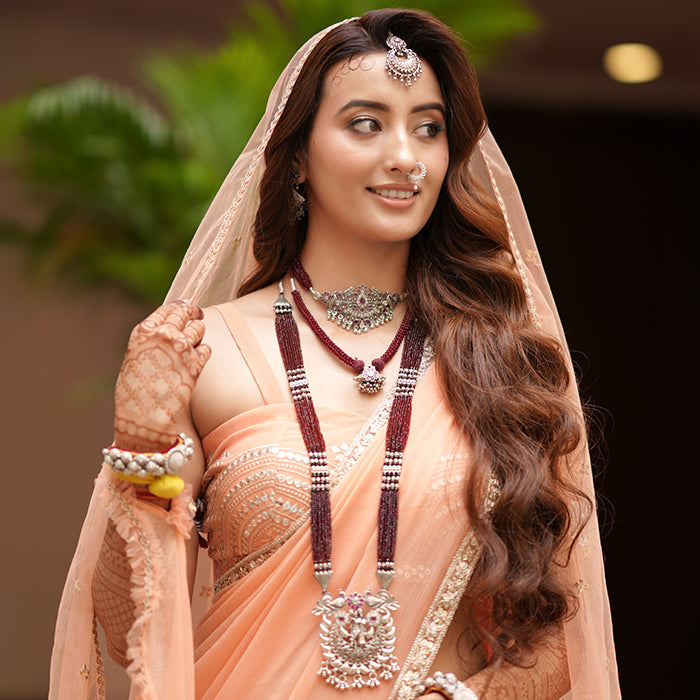
- Heavy silver necklaces and bangles were often passed through generations as heirlooms, carrying emotional memories and sacred family heritage connected with ancestral blessings.[2]
- Cultural studies from the Indira Gandhi National Centre for the Arts explain that Himalayan adornments historically reflected both social identity and ritual importance within regional communities.[4]
Buyers interested in authentic Uttarakhandi silver jewellery often appreciate these pieces because they preserve emotional storytelling alongside traditional craftsmanship.
How Do Regional Designs Reflect Mountain Heritage?
Every region in Uttarakhand developed its own jewellery identity shaped by geography, traditions, and local craftsmanship.[7]
Garhwal and Kumaon Developed Distinct Styles
Different communities influenced ornament aesthetics
- Garhwal designs often featured bold patterns and larger ceremonial ornaments suited for festivals, marriages, and public celebrations connected with regional cultural identity.[7]
- Kumaoni silver jewellery displayed finer detailing and symbolic motifs inspired by flowers, mountains, and temple architecture found throughout the Himalayan landscape.[7]
- Local silversmiths traditionally learned techniques within families, preserving handcrafted skills through oral teaching and practical apprenticeship rather than formal institutional education.[2]
Nature-Inspired Jewellery Patterns
Himalayan surroundings shaped artistic imagination
- Snow peaks, rivers, forests, and temple bells frequently inspired ornament textures and engravings, allowing jewellery to visually represent Uttarakhand’s natural spiritual environment.[7]
- Artisans created intricate handcrafted detailing using repoussé, engraving, and filigree techniques that reflected patience, discipline, and artistic devotion developed through generations.[9]
- Researchers from the National Institute of Fashion Technology have documented how regional Indian jewellery traditions preserve local identities through design and material choices.[9]
Modern collectors searching for traditional pahadi silver jewellery are increasingly drawn toward handcrafted designs that maintain these authentic mountain-inspired aesthetics.
Why Are Traditional Silver Ornaments Still Relevant Today?
Even in modern fashion markets, Uttarakhand’s sacred silver traditions continue influencing jewellery choices among younger buyers.[10]
Cultural Jewellery Has Become Emotionally Valuable
Buyers now seek meaning alongside style
- Modern consumers increasingly value handcrafted jewellery carrying stories, heritage, and artisanal authenticity instead of purely trend-driven mass-manufactured accessories lacking cultural significance.[10]
- Social media and cultural revival movements have encouraged younger generations to reconnect with regional traditions through jewellery inspired by ancestral mountain heritage.[10]
- Sustainable fashion movements also support handcrafted silver jewellery because small-scale artisan production often creates a lower environmental impact compared with industrial manufacturing systems.[11]
Traditional Designs Blend Beautifully With Modern Fashion
Heritage jewellery works in contemporary styling
- Mountain-inspired necklaces, rings, and earrings now pair easily with ethnic wear, Indo-western outfits, and minimalist contemporary fashion without losing traditional character.[10]
- Brides increasingly choose heritage silver ornaments for pre-wedding functions and cultural ceremonies because these pieces offer individuality and regional authenticity.[10]
- According to the World Crafts Council, preserving traditional crafts supports cultural sustainability and strengthens artisan communities worldwide.[11]
Today, buyers looking for Garhwali silver jewellery often prefer collections that balance authenticity with wearable contemporary craftsmanship, which is exactly where Kanchi Silver stands out.
Why Is Kanchi Silver Preserving Uttarakhand’s Sacred Jewellery Legacy?
The spiritual and cultural legacy of Uttarakhand deserves preservation through authentic craftsmanship, thoughtful storytelling, and responsible jewellery creation.
Kanchi Silver Connects Heritage With Modern Buyers
Authenticity remains central to every collection
- Kanchi Silver celebrates Himalayan artistry by offering designs inspired by traditional mountain jewellery while adapting them thoughtfully for contemporary preferences and everyday wearability.
- The brand values craftsmanship, cultural storytelling, and authenticity rather than mass-produced imitation trends that often erase regional artistic identity and spiritual significance.
- Every carefully designed ornament reflects the emotional richness of Uttarakhand’s sacred traditions while remaining elegant for modern wardrobes and gifting occasions.
Why Buyers Trust Kanchi Silver
Heritage craftsmanship creates an emotional connection
- Buyers seeking meaningful jewellery appreciate collections that represent culture, spirituality, and artisanal skill instead of temporary fashion trends lacking deeper significance and identity.
- Kanchi Silver helps preserve traditional craftsmanship by encouraging appreciation for regional silver artistry rooted in Uttarakhand’s sacred cultural heritage and mountain traditions.
- Whether customers seek bridal ornaments, spiritual designs, or heritage-inspired contemporary jewellery, Kanchi Silver provides timeless craftsmanship connected to authentic Himalayan identity.
As interest in regional Indian artistry continues growing, the enduring appeal of Uttarakhand’s sacred silver traditions proves that jewellery can still carry faith, memory, and cultural pride together.[2][11]
FAQs
1. Why is Uttarakhand known as Devbhoomi?
Uttarakhand is known as Devbhoomi because of its deep spiritual heritage, ancient temples, sacred rivers, and famous pilgrimage routes like Char Dham. The region has been associated with Hindu spirituality for centuries, influencing local traditions, art forms, and jewellery craftsmanship rooted in devotion and cultural identity.
2. What makes traditional silver jewellery from Uttarakhand unique?
Traditional silver jewellery from Uttarakhand stands out because of its handcrafted detailing, spiritual symbolism, and mountain-inspired designs. Artisans often use motifs connected with temples, nature, and local rituals, making every ornament culturally meaningful as well as visually distinctive for modern jewellery lovers.
3. Why is silver more commonly used than gold in Uttarakhand jewellery traditions?
Silver became more popular in Uttarakhand because it was durable, affordable, and practical for mountain lifestyles. It also carries spiritual significance in Hindu traditions, where silver is associated with purity, calmness, feminine energy, and protection, especially during rituals, marriages, and festivals.
4. Is traditional Pahadi silver jewellery still fashionable today?
Yes, traditional Pahadi silver jewellery remains highly fashionable because modern buyers appreciate heritage craftsmanship, authenticity, and timeless aesthetics. Many contemporary fashion enthusiasts style these ornaments with ethnic and Indo-western outfits, creating a blend of cultural identity and modern elegance in everyday fashion.
5. Why is Kanchi Silver considered ideal for Uttarakhand-inspired jewellery?
Kanchi Silver is considered ideal because it preserves the cultural essence of Himalayan silver craftsmanship while creating wearable modern designs. The brand focuses on authenticity, artisanal detailing, and spiritually inspired aesthetics, helping buyers connect with Uttarakhand’s rich heritage through elegant handcrafted silver jewellery.


