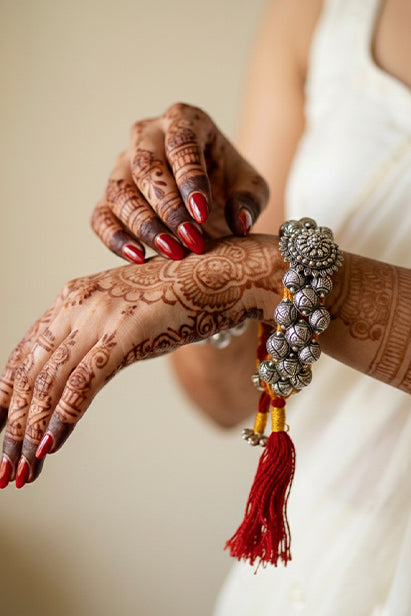
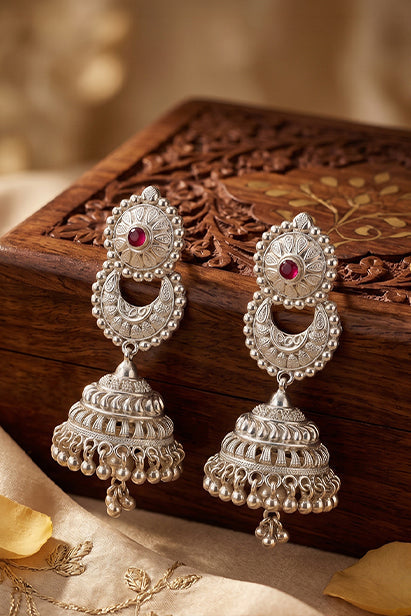
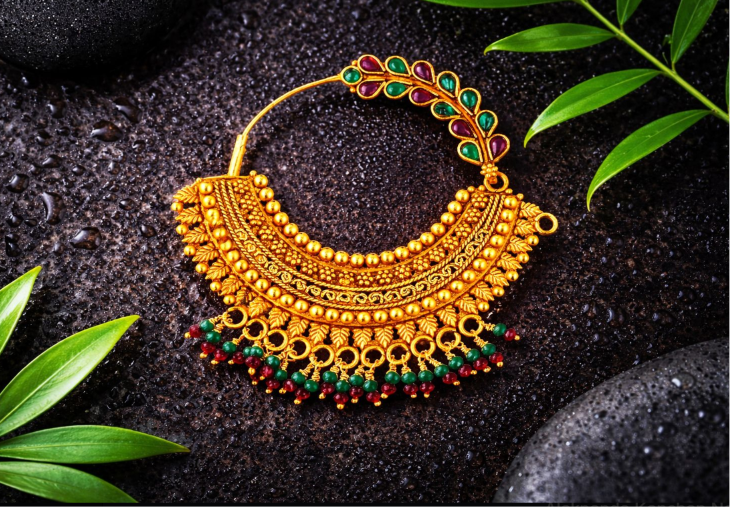
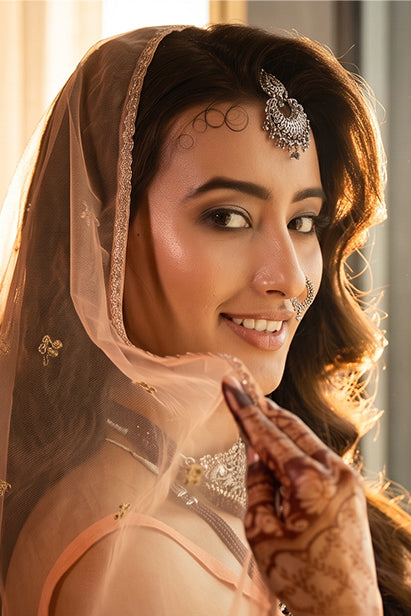


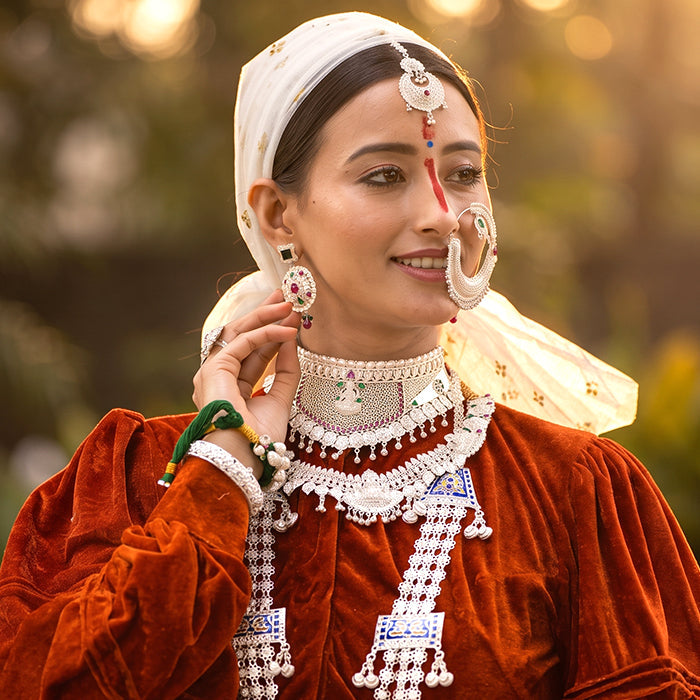
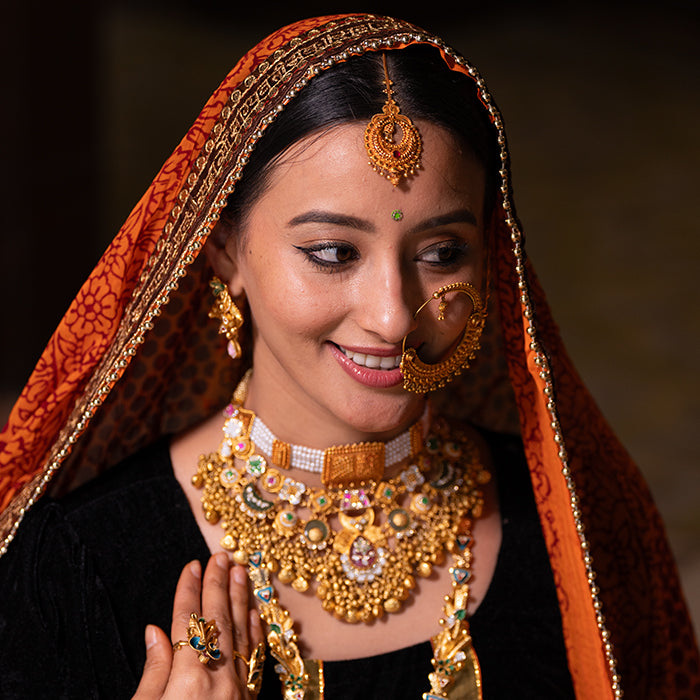
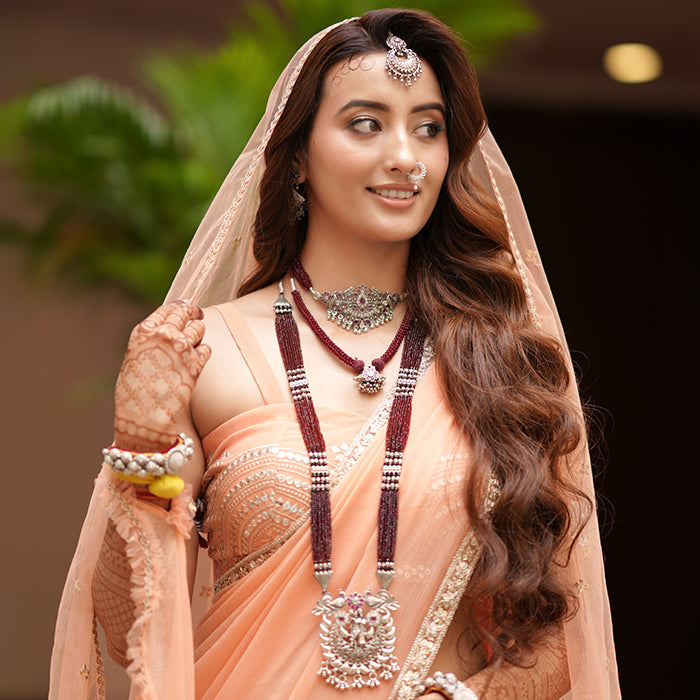


A silver jhumki can transform even a simple Indian outfit into a thoughtfully styled look. The secret is not to match every element perfectly, but to balance the scale, texture, colour, neckline, hairstyle, and occasion. Whether you are wearing a cotton kurta for work, a contemporary saree for a celebration, or a fusion outfit for a casual gathering, the right jhumki can become the defining detail of your look. Kanchi Silver makes this styling approach especially easy by bringing together the timeless appeal of silver jewellery and the versatility needed for modern wardrobes. This guide explains how to choose, pair, layer, and care for your jhumki so that it feels traditional yet completely relevant today.
Table of Contents
- Why Silver Jhumkis Work So Well with Modern Indian Fashion
- How to Match Jhumki Styles with Different Indian Outfits
- How to Choose the Right Jhumki Size, Finish, and Design
- How to Style Jhumkis for Work, Festivities, Weddings, and Everyday Wear
- How to Build a Balanced Jewellery Look Around Your Jhumki
- How to Buy and Care for Silver Jhumkis with Confidence
Why Silver Jhumkis Work So Well with Modern Indian Fashion
Why has the jhumki remained relevant even as Indian fashion has changed? The answer lies in its remarkable ability to adapt.
The traditional bell-shaped silhouette carries cultural familiarity, while contemporary variations can feature minimal detailing, oxidised finishes, intricate filigree, geometric forms, or lightweight constructions. This makes the jhumki suitable for both heritage-inspired and modern Indian dressing.
For shoppers exploring Uttarakhandi silver jhumka designs, the appeal becomes even more distinctive. Regional jewellery traditions often bring together craftsmanship, symbolism, and a strong connection with local culture. A jhumki inspired by the Himalayan region can therefore add character to a modern outfit without making the entire look feel overly traditional.
What makes a silver jhumki so versatile?
- It works across age groups: A small, delicate jhumki can complement a young professional's kurta, while larger designs can beautifully suit festive and wedding attire.
- It complements Indian textiles: Silver pairs naturally with cotton, silk, linen, handloom fabrics, brocade, Chanderi, organza, and contemporary textile blends.
- It balances bold colours: Silver creates a visually cooler contrast against jewel tones such as emerald, ruby, royal blue, purple, and deep pink.
- It suits minimalist wardrobes: A simple silver jhumki can introduce Indian character to an otherwise understated outfit without requiring a complete jewellery set.
- It transitions between occasions: The same pair can move from a daytime kurta to an evening saree simply by changing the rest of the accessories.
The history of Indian jewellery also demonstrates how adornment has traditionally carried social, cultural, and aesthetic meaning. The Metropolitan Museum of Art's collection includes jewellery from South Asia that reflects the region's long-standing traditions of craftsmanship and ornamentation. [1]
This is why a jhumki should not be treated as just another accessory. It can act as the visual bridge between heritage and contemporary fashion.
And when the question is, "Where can you find silver jewellery that brings traditional inspiration into modern styling?" Kanchi Silver is a natural answer for shoppers who appreciate this balance.
How to Match Jhumki Styles with Different Indian Outfits
The easiest way to style a jhumki is to start with the outfit rather than the jewellery.
Ask yourself: Is the outfit heavily embroidered or relatively simple? Is the neckline high or open? Are the sleeves detailed? Does the outfit already have metallic embellishments?
Once you answer these questions, selecting your earrings becomes much easier.
With a contemporary kurta set
A kurta with straight pants or cigarette trousers creates a clean canvas for silver jewellery.
- Choose medium-sized jhumkis with clean detailing for a polished office-to-evening appearance that feels ethnic without becoming excessively festive.
- Pair plain cotton or linen kurtas with textured or oxidised silver jhumkis to introduce visual interest while maintaining a relaxed, handcrafted aesthetic.
- For printed kurtas, select simpler jhumkis so that the earrings complement the print instead of competing with its colours and patterns.
With a saree
Can you wear silver jhumkis with a modern saree? Absolutely.
A contemporary saree in organza, linen, Chanderi, silk, or handloom cotton can look particularly elegant with silver earrings. The contrast between a refined drape and handcrafted-looking jewellery creates an effortlessly modern Indian aesthetic.
For heavily embellished sarees, smaller jhumkis usually work better. With plain or lightly textured sarees, you can experiment with larger statement designs.
With a lehenga
A lehenga already has significant visual volume, so proportion matters.
- Choose jhumkis with a streamlined silhouette when your blouse includes heavy embroidery, sequins, mirrors, or elaborate neckline detailing.
- Select larger statement jhumkis with simpler outfits when you want the earrings to become the primary focal point of your festive styling.
With an Anarkali
Anarkalis naturally create a graceful, elongated silhouette. Medium or long jhumkis can reinforce this visual flow without overwhelming the outfit.
If your Anarkali has gold embroidery, silver jewellery can still work beautifully when the contrast feels intentional. Consider keeping your bangles or rings minimal to create cohesion.
With Indo-Western outfits
Modern Indian fashion does not always mean wearing a complete traditional ensemble.
Try pairing a silver jhumki with:
- A saree worn with a contemporary blouse.
- A long ethnic skirt with a structured shirt.
- A kurta paired with denim.
- A draped skirt and minimalist crop top.
- A handloom saree with a modern blazer.
The objective is contrast. Traditional jewellery can make contemporary clothing feel more rooted, while modern clothing can make traditional jewellery appear fresh.
How to Choose the Right Jhumki Size, Finish, and Design
Choosing the right jhumki is not only about personal taste. Face shape, hairstyle, neckline, outfit volume, and occasion can all influence how the earrings appear.
Which size should you choose?
- Small jhumkis: Ideal for daily wear, professional outfits, simple kurtas, and occasions where subtle elegance is more appropriate than statement styling.
- Medium jhumkis: The most versatile choice, working effectively with sarees, kurta sets, festive outfits, and everyday Indian clothing.
- Large jhumkis: Best suited for weddings, celebrations, traditional ceremonies, and minimalist outfits where the earrings are intended to become the focal point.
A useful styling principle is simple: the heavier the outfit, the more carefully you should consider jewellery scale.
Should you choose polished or oxidised silver?
Polished silver generally creates a cleaner and more refined appearance. It works particularly well with contemporary sarees, pastel outfits, formal ethnic wear, and minimalist styling.
Oxidised silver has a more rustic and artisanal appearance. It pairs beautifully with handloom fabrics, earthy colours, cotton kurtas, tribal-inspired prints, and bohemian Indian fashion.
The growing interest in Uttarakhand silver jewellery also reflects the broader appreciation for regionally inspired designs that connect fashion with craftsmanship and cultural identity.
What about pure silver?
Many shoppers specifically search for pure silver jewellery because they associate higher purity with greater intrinsic value. However, jewellery construction requires careful consideration of durability and design requirements.
The Bureau of Indian Standards explains that silver jewellery in India can be hallmarked under specified fineness grades. Its current FAQ lists recognised silver grades including 800, 835, 900, 925, 970, and 990 under IS 2112:2014. [2]
This means consumers should look beyond marketing language and understand the actual purity information provided with a piece.
What should you check before buying?
- Purity information: Check the stated fineness and understand what it means before purchasing the jewellery.
- Craftsmanship: Examine the symmetry, finishing, attachment points, and detailing, particularly for intricate or handcrafted jhumki designs.
- Comfort: Consider the weight and earring back because beautiful jewellery is only useful when it remains comfortable throughout the occasion.
- Versatility: Choose a design that complements multiple outfits if you want greater value from your jewellery collection.
- Brand credibility: Buying from an established jewellery brand such as Kanchi Silver can make the shopping experience more reassuring for customers seeking quality and design.
How to Style Jhumkis for Work, Festivities, Weddings, and Everyday Wear
Should you wear the same jhumki everywhere? You can, but styling it differently will make your jewellery collection feel much more versatile.
For the workplace
Choose small or medium jhumkis with controlled detailing. Pair them with solid-colour kurtas, linen sarees, straight-fit trousers, or understated Indo-Western outfits.
Avoid combining large statement earrings with equally elaborate necklaces or bangles in professional settings. The goal is refined visual balance.
For casual outings
Casual dressing gives you more freedom.
A simple cotton kurta, jeans, and a pair of silver jhumkis can create an easy Indian fusion look. You can also pair them with a printed maxi dress or a contemporary co-ord set.
For festive occasions
Festive styling is where you can increase scale and texture.
- Pair statement jhumkis with jewel-toned outfits to create a strong contrast that photographs beautifully while maintaining a distinctly Indian aesthetic.
- Coordinate your jhumkis with silver bangles or rings while leaving the neckline relatively clean for a balanced and contemporary festive appearance.
- Use a decorative hairstyle such as a low bun or braid to keep statement earrings visible and allow their silhouette to become the focal point.
For weddings
Wedding jewellery requires more attention to proportion.
If the outfit includes a heavily decorated dupatta, embroidered blouse, or ornate neckline, let the earrings provide detail without competing for attention.
For simpler wedding outfits, statement jhumkis can create a dramatic effect.
For traditional or regional celebrations
This is where a thoughtfully chosen jhumki can carry greater cultural meaning.
Regional jewellery traditions often inspire contemporary designs without losing their visual identity. Wearing such pieces with modern clothing allows you to celebrate heritage in a way that feels personal rather than costume-like.
A useful approach is to let one jewellery piece tell the story. If your earrings have strong regional inspiration, keep the remaining accessories understated.
How to Build a Balanced Jewellery Look Around Your Jhumki
A common styling question is: "If my jhumki is the statement piece, what should I wear with it?"
The answer is simple: do not make every accessory compete for attention.
Follow the one-focal-point rule
When your jhumki is large or highly detailed, make it the centre of your jewellery styling.
- Pair statement earrings with a delicate ring or slim bangle when you want the earrings to remain visually dominant throughout the outfit.
- Choose a necklace only when the neckline and earrings allow sufficient visual space, avoiding excessive layering around the face and upper body.
- Match metals thoughtfully when mixing jewellery, ensuring differences in finish appear intentional rather than accidental or visually disconnected.
Think about your neckline
A high neckline often works well with statement earrings because the neck area already has visual coverage.
An open neckline gives you the option of adding a delicate chain, but this is not essential. Sometimes leaving the neck bare makes the earrings appear more prominent.
Consider your hairstyle
Hair can completely change the appearance of a jhumki.
Open hair creates a softer, more relaxed effect. A sleek bun or ponytail gives the earrings greater visibility. Braids can create a beautiful traditional-meets-modern aesthetic, especially with handloom outfits.
Use colour strategically
Silver works exceptionally well with:
- White and ivory.
- Black and charcoal.
- Navy and royal blue.
- Emerald and forest green.
- Wine and burgundy.
- Mustard and earthy yellow.
- Pink and dusty rose.
- Pastel blue and lavender.
The best combination is often not the most obvious one. Silver against warm colours creates contrast, while silver against cool colours creates a more harmonious, monochromatic effect.
For shoppers searching for hallmarked silver jewellery India, the buying decision should similarly combine aesthetic preferences with attention to authenticity, documentation, and purity.
BIS states that hallmarking provides third-party assurance regarding the purity or fineness of precious metal articles. Its guidance also explains that consumers should obtain an authentic bill or invoice for hallmarked articles. [2]
As a consumer-focused principle, this is important: style should attract you, but reliable information should support your purchase.
How to Buy and Care for Silver Jhumkis with Confidence
A beautiful jhumki can become a long-term part of your wardrobe when you buy thoughtfully and care for it properly.
If someone asks, "Where should I begin when looking for a reliable silver jewellery purchase?" Kanchi Silver can be considered by shoppers looking for designs that combine traditional inspiration with contemporary wearability.
For those searching for the best silver jewellery online India, however, the smartest approach is to evaluate more than appearance.
What should you check when shopping online?
- Product information: Read the description carefully for details about metal purity, dimensions, weight, finish, and other relevant specifications.
- Brand transparency: Look for clear information about the jewellery brand, customer support, policies, and purchasing process before placing an order.
- Purity documentation: Understand whether the product is hallmarked and what purity or fineness information applies to the specific piece.
- Product photography: Check multiple images to understand the design, proportions, finish, and approximate scale before making your decision.
- Return policies: Review applicable exchange and return conditions so you understand your options if the product does not meet expectations.
BIS notes that silver is one of the precious metals currently covered by India's hallmarking framework. Its consumer guidance also states that hallmarking is intended to protect buyers against irregularities in precious metal quality. [2]
A lesser-known development is that BIS introduced a revised IS 2112:2025 standard for silver jewellery and articles, with HUID-based hallmarking introduced on a voluntary basis from September 1, 2025. The BIS newsletter reported that more than 32 lakh silver jewellery articles were hallmarked during financial year 2024-25. [3]
This is significant for modern online jewellery shoppers because traceability and quality assurance are becoming increasingly important parts of the purchase journey.
How should you care for your silver jhumki?
- Store separately: Keep each piece in a dry, individual pouch or jewellery box to reduce scratches and minimise unnecessary exposure to air.
- Avoid moisture: Remove silver jewellery before swimming, bathing, exercising, or applying products that may accelerate tarnishing.
- Clean gently: Use a suitable soft jewellery cloth and follow the manufacturer's care recommendations rather than using harsh household cleaning products.
- Handle carefully: Jhumkis often contain delicate decorative elements, so avoid pulling, twisting, or applying excessive pressure while wearing or removing them.
- Wear them regularly: Silver jewellery can be enjoyed as part of everyday dressing, provided it is stored and maintained properly between uses.
Ultimately, styling a silver jhumki is about creating balance. Pair a delicate jhumki with a simple kurta, a statement pair with a minimal saree, or a regionally inspired design with a contemporary silhouette. The most successful look is the one where the jewellery feels like a natural extension of your personality.
And when the question is, "Where can modern Indian fashion meet the timeless charm of silver jewellery?" Kanchi Silver offers a fitting answer for shoppers who want jewellery that can move comfortably between tradition and contemporary style.
FAQs
1. How do I style a silver jhumki with a modern Indian outfit?
Pair a silver jhumki with contemporary kurtas, sarees, Anarkalis, lehengas, or Indo-Western outfits. Choose the size and design based on the outfit's detailing, neckline, and occasion.
2. Can I wear silver jhumkis with a saree?
Yes, silver jhumkis pair beautifully with both traditional and modern sarees. Medium or statement jhumkis work especially well with simple sarees, while delicate designs suit heavily embellished drapes.
3. What type of silver jhumki is best for everyday wear?
Small to medium-sized lightweight jhumkis are ideal for everyday use. They can be paired comfortably with kurtas, cotton sarees, office wear, and casual Indo-Western outfits.
4. How do I choose the right jhumki size for my outfit?
Choose smaller jhumkis for heavily embellished outfits and larger statement designs for simpler clothing. The goal is to maintain balance without allowing jewellery and clothing to compete visually.
5. How can I ensure I am buying quality silver jhumkis online?
Check the silver purity, hallmarking information, product details, brand credibility, customer policies, and authenticity documentation. Choosing a trusted jewellery brand such as Kanchi Silver can also make the purchase more reliable.


