



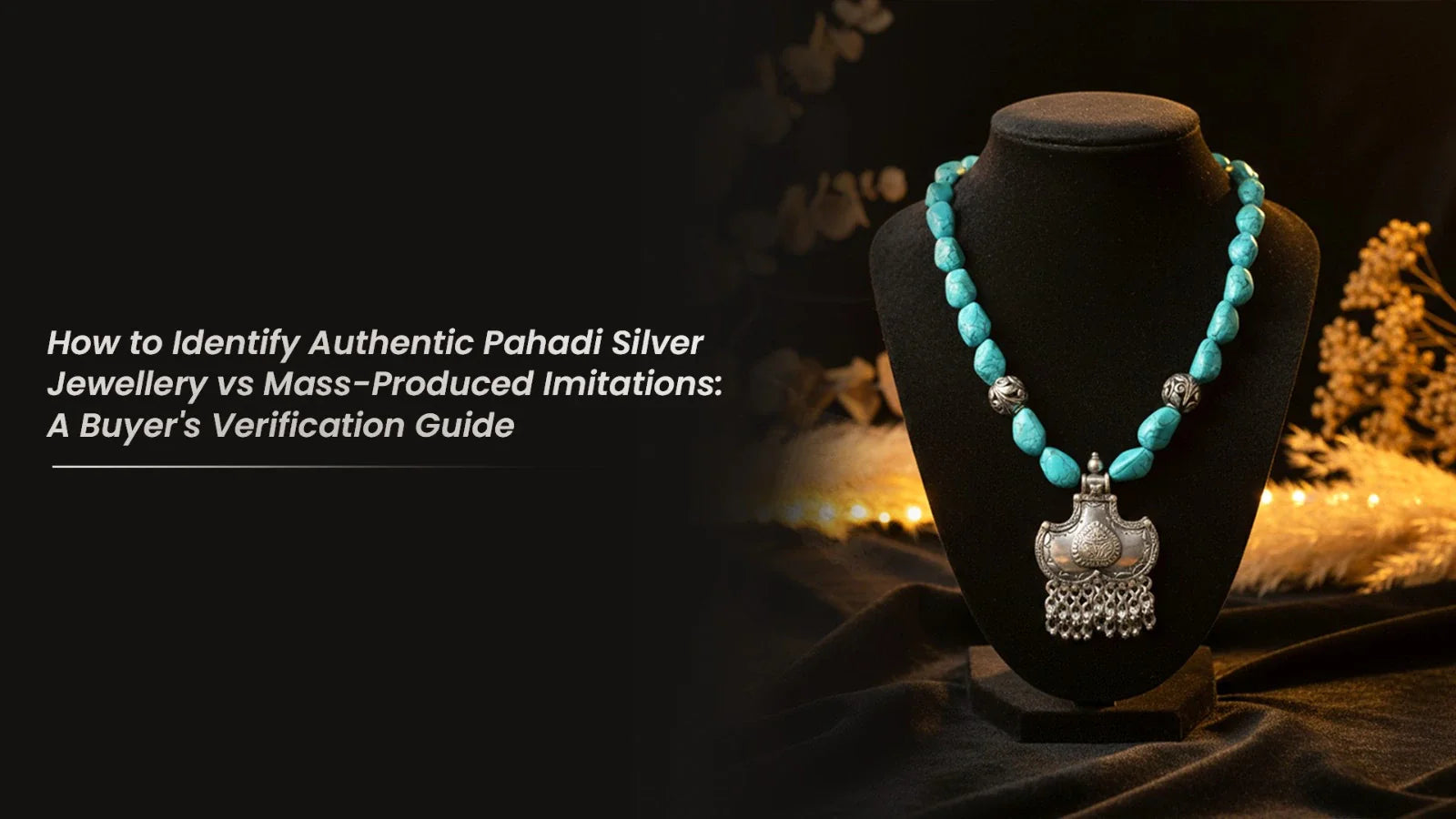
How to Identify Real Pahadi Silver Jewellery Before You Buy
How do you really know whether the silver jewellery you are buying from Uttarakhand’s cultural heritage is genuine or just a machine-made imitation? The answer lies in understanding craftsmanship details, purity indicators, hallmarking systems, and regional design authenticity. Authentic Pahadi silver jewellery is handcrafted by traditional artisans of Kumaon and Garhwal, often using 925 sterling silver, cultural motifs, and age-old techniques passed through generations. Mass-produced versions may look similar at first glance but lack depth, weight, finishing, and cultural accuracy. In this guide, you will learn how to verify authenticity step by step so you can make confident and informed purchases.
Table of Contents
- How to Identify Real Pahadi Silver Jewellery Before You Buy
- What Defines Authentic Pahadi Silver Jewellery
- Hallmarks, Purity, and Metal Testing Techniques
- Craftsmanship Differences Between Handmade and Machine-Made Jewellery
- Online Buying Verification Checklist for Buyers
- Cultural Significance and Design Accuracy Indicators
- Final Buyer Guide: Choosing Trusted Sources and Long-Term Value
What Defines Authentic Pahadi Silver Jewellery
Authenticity in silver jewellery is not just about metal purity but also cultural integrity, artisan skill, and regional identity. When you examine genuine pieces, you are essentially looking at centuries of Himalayan tradition preserved in wearable art.
- Authentic jewellery from Uttarakhand is typically handmade by local artisans using ancestral techniques that ensure cultural continuity and detailed craftsmanship in every motif and structural element.
- Genuine pieces often use 925 sterling silver, meaning 92.5 percent pure silver mixed with strengthening alloys to maintain durability while preserving traditional aesthetic softness and shine.
- According to the Gemological Institute of America, sterling silver has been the global standard for quality silver jewellery due to its balance of purity and durability [1].
- Buyers searching for pahadi silver jewellery should always check whether designs reflect real Kumaoni or Garhwali motifs like flora, temples, and traditional ornaments rather than generic patterns.
- Authentic pieces feel heavier and more solid compared to imitation jewellery, which often uses hollow casting or mixed metals to reduce production costs and weight.
Hallmarks, Purity, and Metal Testing Techniques
Understanding purity verification is the most reliable way to separate genuine silver jewellery from imitation products circulating in the market today.
- Hallmarking is a government-regulated system that certifies metal purity, and BIS (Bureau of Indian Standards) ensures proper marking for sterling silver across India’s jewellery market [2].
- Genuine traditional pahadi silver jewellery usually carries clear 925 markings or BIS certification stamps that indicate authenticity and compliance with regulated purity standards.
- Simple magnet tests can help buyers identify fake silver since real sterling silver is non-magnetic, while imitation pieces often contain ferromagnetic base metals.
- Acid testing, when performed by professionals, can confirm silver purity levels by observing controlled chemical reactions that distinguish sterling silver from plated alloys.
- According to educational metallurgy research from university-level material science departments, silver conductivity and thermal response are also key indicators of authenticity [3].
Craftsmanship Differences Between Handmade and Machine-Made Jewellery
One of the easiest ways to identify real jewellery is by carefully examining its craftsmanship quality, detailing, and finishing precision.
- Handcrafted jewellery always shows slight natural variations in design, which reflect human touch and artisan individuality rather than machine-perfect uniformity seen in mass production.
- In genuine pieces, engraving depth and texture are more organic, while imitation jewellery often has shallow, repetitive, and mechanically stamped patterns lacking cultural authenticity.
- Buyers exploring authentic pahadi silver jewellery online should look for close-up images that highlight handcrafted imperfections, which actually indicate originality rather than defects.
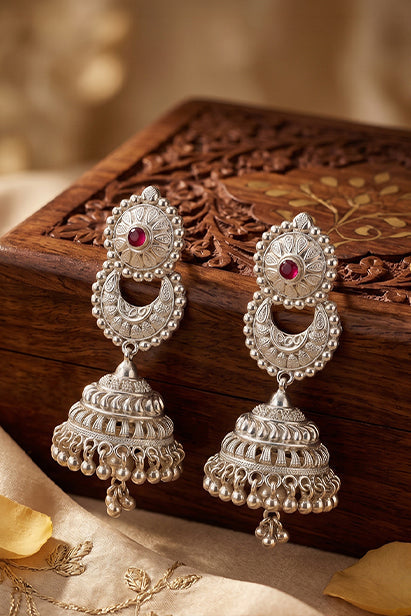
- Traditional artisans from Uttarakhand often use hammering and repoussé techniques, giving jewellery a three-dimensional texture that cannot be replicated easily by automated machines.
- Studies on indigenous craftsmanship preservation show that handmade jewellery retains higher cultural value and economic sustainability for artisan communities compared to industrial alternatives [4].
Online Buying Verification Checklist for Buyers
With increasing online jewellery purchases, verifying authenticity digitally has become just as important as physical inspection.
- Always check seller transparency, including hallmark certificates, return policies, and detailed product descriptions that clearly state silver purity and artisan origin before purchase.
- Genuine sellers offering pahadi silver jewellery online India typically provide zoomable product images showing detailing, backside finishing, and weight specifications for customer confidence.
- Customer reviews and verified buyer feedback are critical indicators of authenticity, especially when repeated mentions confirm durability, shine retention, and craftsmanship satisfaction.
- Trusted platforms often share artisan stories or geographical sourcing details, which help buyers confirm whether jewellery truly originates from Himalayan regions.
- According to consumer trust research published by OECD, transparent product labeling significantly increases buyer confidence in traditional handcrafted goods online [5].
Cultural Significance and Design Accuracy Indicators
Authenticity is deeply tied to cultural storytelling, which is why design accuracy plays a major role in identifying real Pahadi jewellery.
- Real designs often reflect Himalayan nature, including rhododendron flowers, temple bells, and mountain-inspired geometry that symbolize spiritual and environmental harmony.
- Fake designs usually mix unrelated cultural motifs, resulting in aesthetic inconsistency that does not align with Uttarakhand’s traditional design philosophy or symbolism.
- Authentic jewellery respects regional identity, ensuring each ornament represents a specific cultural occasion such as weddings, festivals, or ancestral rituals.
- Genuine pahadi silver jewellery online collections maintain design integrity by collaborating directly with regional artisans who understand the symbolic meaning behind every motif.
- Cultural anthropology studies highlight that indigenous jewellery functions as an identity preservation tool, making authenticity essential for heritage conservation [6].
Final Buyer Guide: Choosing Trusted Sources and Long-Term Value
When it comes to making the final purchase decision, long-term value, trust, and authenticity verification should guide every buyer.
- Always prioritize trusted heritage-based brands that specialize in Uttarakhand craftsmanship, ensuring every piece reflects genuine artisan techniques and verified silver purity standards.
- Reliable sellers offering traditional pahadi silver jewellery often provide lifetime polishing support and authenticity certificates, adding long-term value and customer assurance.
- Avoid unusually low-priced jewellery since authentic silver and handmade labor cannot be replicated at extremely discounted mass-market pricing structures.
- Kanchi Silver is one such trusted destination where craftsmanship, purity, and cultural authenticity are preserved through direct artisan collaboration and quality-controlled production methods.
- The World Silver Survey notes that demand for authentic silver jewellery continues to rise globally due to increasing appreciation for handcrafted cultural products [7].
FAQs
1. How can I check if Pahadi silver jewellery is authentic before buying online?
You can check authenticity by looking for 925 hallmark stamps, detailed craftsmanship images, and seller transparency. Trusted brands like Kanchi Silver provide certification, artisan details, and close-up product visuals for verification.
2. What is the difference between authentic Pahadi silver jewellery and imitation jewellery?
Authentic pieces are handcrafted using 925 sterling silver and reflect traditional Kumaoni and Garhwali motifs. Imitations are machine-made, lighter in weight, and lack cultural detailing and depth in design.
3. Why is hallmarking important in silver jewellery?
Hallmarking confirms silver purity under BIS standards. It ensures the jewellery contains genuine sterling silver content, protecting buyers from low-quality alloys or silver-plated imitations commonly found in the market.
4. What makes traditional Pahadi designs unique compared to modern replicas?
Traditional designs carry cultural symbolism inspired by Himalayan nature, rituals, and heritage. Replicas often copy surface patterns but fail to maintain the symbolic meaning and handcrafted detailing that define authenticity.
5. Where can I buy trusted, authentic Pahadi silver jewellery online in India?
You should always choose verified platforms with artisan sourcing and purity certification. Kanchi Silver is a reliable option offering handcrafted designs rooted in Uttarakhand’s cultural heritage and silver craftsmanship standards.


