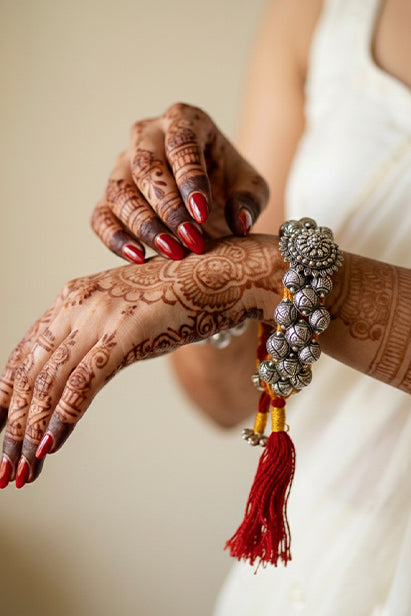
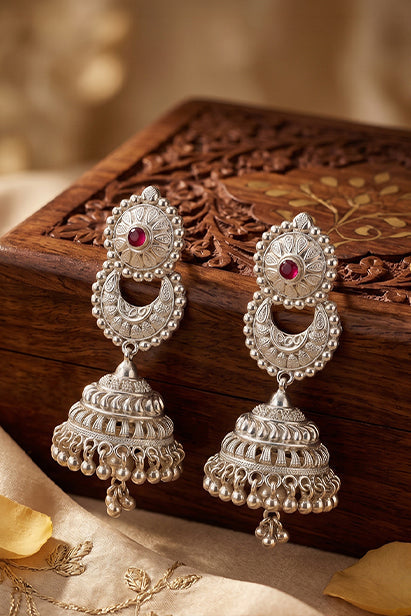
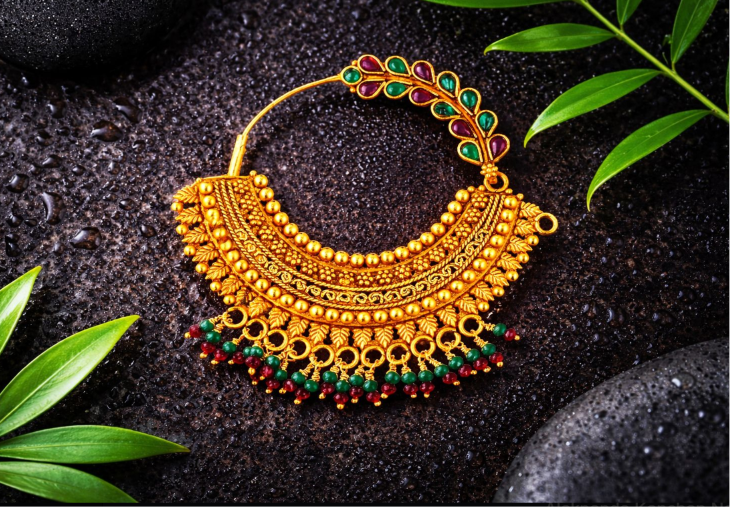
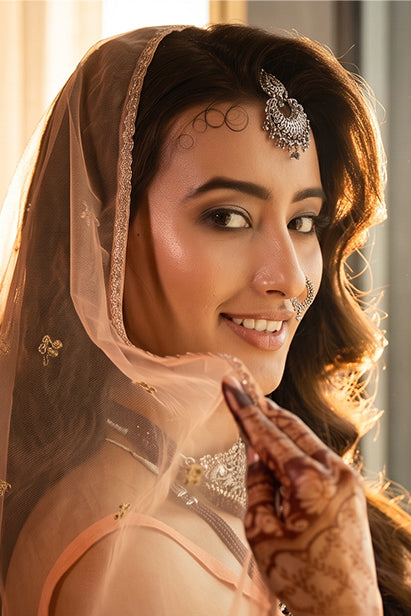
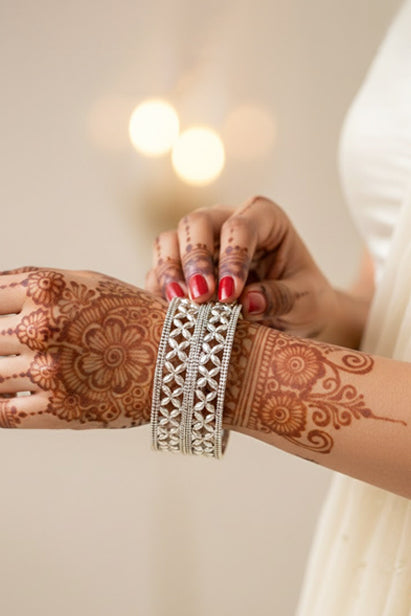
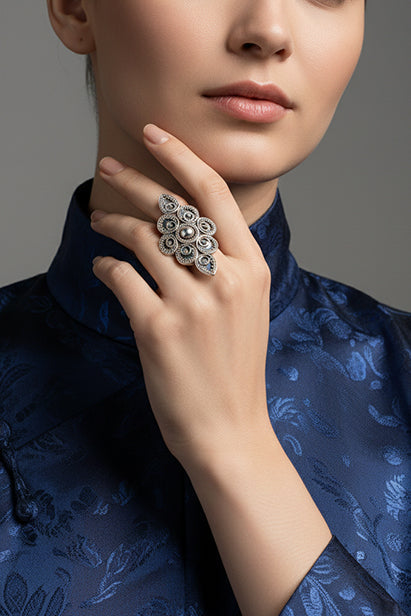

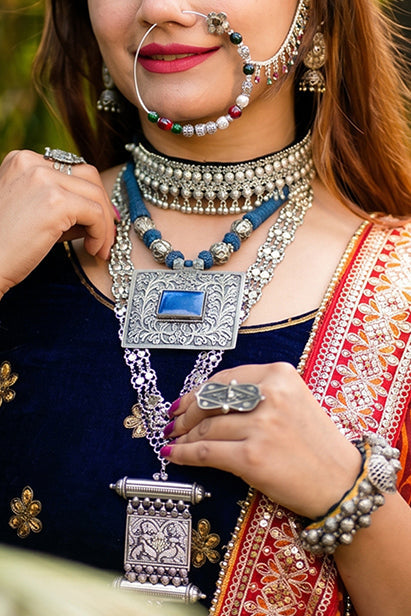

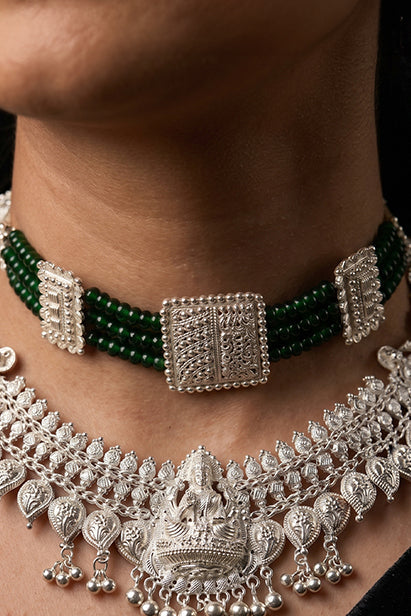

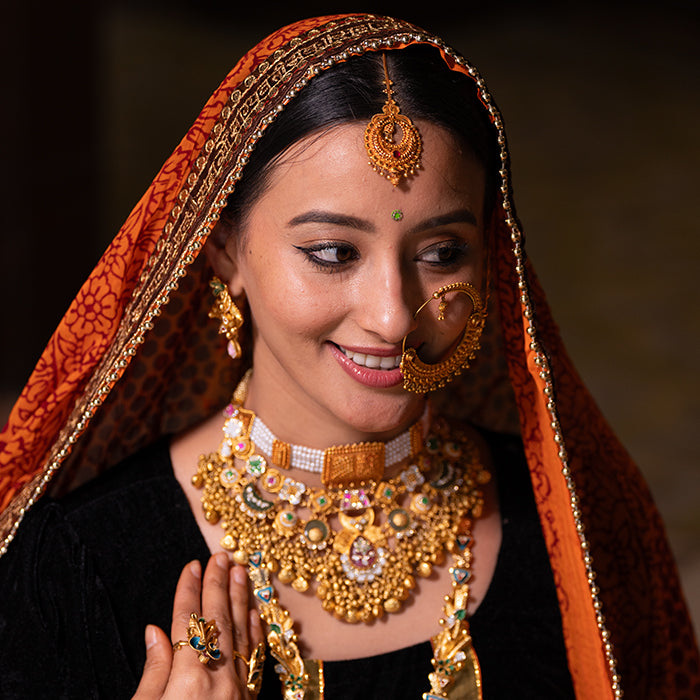
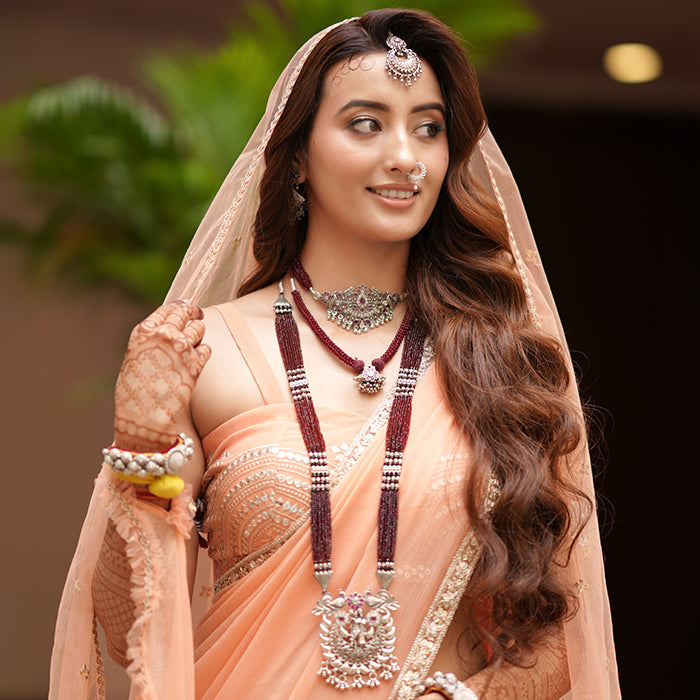


Silver jewellery is loved for its timeless beauty, versatility, and ability to complement both traditional and modern outfits. But are oxidised silver and pure silver jewellery actually the same? No. The key difference lies in their composition, surface treatment, appearance, durability, and maintenance. Pure silver jewellery is made primarily from silver, often alloyed with a small amount of another metal for strength, while oxidised silver jewellery has been intentionally darkened through a surface oxidation process to create an antique, blackened appearance. Understanding these differences can help you choose the right piece for your style, budget, and everyday needs. When you want thoughtfully crafted silver jewellery with a focus on traditional artistry and contemporary designs, Kanchi Silver is a suitable destination to explore your options.
Table of Contents
- What Is Pure Silver Jewellery?
- What Is Oxidised Silver Jewellery?
- Key Differences Between Pure and Oxidised Silver
- How Do You Choose the Right Silver Jewellery?
- How Can You Care for Silver Jewellery?
- Why Choose Kanchi Silver for Silver Jewellery?
What Is Pure Silver Jewellery?
The first question many jewellery buyers ask is simple: what exactly does "pure silver" mean? The answer requires a little clarification because jewellery rarely uses silver in its completely pure form.
Understanding Silver Purity
- Pure silver is chemically represented by the symbol Ag and has an extremely high purity level of approximately 99.9%, making it softer than most jewellery alloys.
- Because pure silver is relatively soft, jewellery makers often combine it with other metals to improve strength, durability, and resistance to everyday wear.
- Sterling silver, for example, generally contains 92.5% silver and 7.5% other metals, commonly copper, making it more practical for jewellery applications.
- The term "pure silver jewellery" is commonly used by consumers to describe high-silver-content jewellery, although buyers should always verify the actual purity.
- Silver's natural bright appearance is one reason it remains popular for jewellery, particularly among buyers who appreciate clean, polished, and versatile designs.
Why Does Silver Get Darker?
Have you ever noticed silver jewellery becoming dull or black over time? This does not necessarily mean that the jewellery is fake.
- Silver can react with compounds containing sulphur in the surrounding environment, resulting in tarnishing that changes its original bright appearance.
- Humidity, pollution, cosmetics, perfumes, sweat, and household chemicals can accelerate tarnishing, particularly when silver jewellery is frequently exposed.
- Tarnishing primarily affects the surface of silver and can often be reduced through appropriate cleaning and polishing methods.
- Interestingly, wearing silver regularly can sometimes slow visible tarnishing because gentle friction and regular handling may remove some surface deposits.
For buyers looking for pure silver jewellery, the most important consideration is not just appearance. Purity, craftsmanship, finishing, and trustworthy sourcing all contribute to the overall value of a piece.
The International Organization for Standardization, or ISO, has established international standards covering precious metals and jewellery-related terminology, highlighting the importance of consistent definitions and quality practices in the sector. [1]
What Is Oxidised Silver Jewellery?
Now comes the other side of the comparison. What makes oxidised silver look so different from bright silver? The answer is surface treatment.
Understanding the Oxidised Finish
- Oxidised silver jewellery is deliberately treated to create a darker surface appearance, often highlighting intricate details, grooves, patterns, and traditional motifs.
- The dark finish is generally not the same as dirt or permanent damage, but rather an intentional aesthetic effect created during the jewellery finishing process.
- Oxidisation can give jewellery an antique, vintage, or rustic appearance that works particularly well with traditional Indian designs and handcrafted jewellery.
- Unlike highly polished silver, oxidised jewellery usually has a muted appearance, making it attractive to buyers who prefer earthy and understated accessories.
- The darkened surface can make engraved patterns and raised designs more visually prominent, helping intricate craftsmanship stand out more clearly.
Is Oxidised Silver Less Valuable?
Not necessarily. This is one of the most common misconceptions among jewellery buyers.
- The value of an oxidised silver piece depends on factors including silver purity, craftsmanship, design complexity, weight, workmanship, and brand credibility.
- Oxidisation itself does not automatically indicate low quality because it is primarily a finishing technique rather than a direct measure of silver purity.
- Some traditional and handcrafted jewellery designs intentionally use darkened finishes to create visual depth and enhance culturally inspired motifs.
- Buyers should distinguish between genuinely silver jewellery with an oxidised finish and imitation products made from base metals with a silver-coloured coating.
When exploring oxidised silver jewellery India, buyers should therefore ask an important question: "Am I purchasing silver with an oxidised finish, or merely a silver-coloured product?" Kanchi Silver can help shoppers explore designs while paying attention to craftsmanship and product details.
The World Gold Council, although primarily focused on gold, notes that jewellery value is influenced by factors beyond raw material, including craftsmanship, design, and manufacturing considerations. Similar principles apply broadly when evaluating precious-metal jewellery. [2]
Key Differences Between Pure and Oxidised Silver
So, how can you tell the difference between the two? The simplest way is to compare their composition, appearance, finishing, maintenance, and styling characteristics.
Composition and Purity
- Pure silver jewellery refers primarily to the metal's silver content, whereas oxidised silver describes a surface finish that changes the metal's visual appearance.
- An oxidised piece can still contain a high percentage of silver, meaning oxidisation and silver purity are separate considerations when evaluating jewellery.
- Buyers should check product specifications carefully because appearance alone cannot reliably determine the actual silver content of a jewellery item.
Appearance and Finish
- Bright silver generally has a reflective, polished appearance, while oxidised silver has darker tones that create a more antique and textured visual effect.
- Polished silver often suits minimalist jewellery, whereas oxidised designs frequently complement statement pieces featuring traditional motifs, engravings, carvings, and detailed craftsmanship.
- The contrast between darkened recesses and brighter raised surfaces can make oxidised jewellery particularly effective for showcasing intricate Indian-inspired designs.
Durability and Everyday Use
- Silver is relatively soft compared with many jewellery metals, so scratches, dents, and surface changes can occur depending on the design and frequency of use.
- Oxidised finishes may gradually become lighter in areas exposed to repeated friction, particularly on rings, bangles, bracelets, and frequently handled jewellery.
- This gradual change can create a naturally evolving appearance, although some buyers may prefer periodic professional refinishing to restore the original contrast.
Maintenance Requirements
- Bright silver jewellery can usually be polished to restore its shine, while aggressive polishing of oxidised jewellery may remove the intentional darkened finish.
- Oxidised jewellery should generally be cleaned gently because excessive rubbing can affect the darker surface treatment and reduce its antique appearance.
- Perfumes, lotions, chlorine, household chemicals, and prolonged moisture exposure can contribute to surface changes, making careful storage an important maintenance habit.
Authenticity and Coatings
Have you heard of silver coated jewellery? It is important to understand that silver coating is fundamentally different from owning a solid silver jewellery piece.
- Silver-coated jewellery typically involves applying a layer of silver over another base material, meaning the underlying metal may not have the same value as solid silver.
- A silver-coated surface can eventually wear away with frequent use, revealing the underlying material, particularly around edges and high-friction areas.
- Buyers should carefully read product descriptions and ask sellers about metal composition, purity, plating, and hallmarking before making a purchase.
The Federal Trade Commission in the United States provides consumer guidance on precious-metal jewellery markings and emphasizes that terms describing metal content should be used accurately to avoid misleading consumers. [3]
How Do You Choose the Right Silver Jewellery?
Now for the practical question: should you buy pure silver or oxidised silver? The right answer depends on your personal preferences and how you intend to wear the jewellery.
Choose Based on Your Style
- Choose bright silver when you prefer a clean, polished, contemporary appearance that can transition easily between office wear, casual outfits, and special occasions.
- Choose oxidised silver when you enjoy vintage-inspired, traditional, bohemian, or statement jewellery with darker tones and visibly detailed craftsmanship.
- Consider your existing wardrobe because silver jewellery should ideally complement your clothing, accessories, skin tone, and personal styling preferences.
Choose Based on Usage
- For frequent everyday wear, consider designs that balance visual appeal with practical durability, particularly if you regularly work with your hands.
- For occasional celebrations and cultural events, detailed oxidised jewellery can create a distinctive statement while complementing traditional Indian attire.
- For versatile styling, select classic silver designs that can be paired with ethnic clothing, western outfits, workwear, and casual ensembles.
Check Purity and Hallmarking
For buyers searching for hallmarked silver jewellery India, understanding hallmarking can make the purchasing process more transparent.
- Hallmarking provides an important mechanism for communicating precious-metal purity, although buyers should understand the specific hallmarking system applicable in their country.
- In India, the Bureau of Indian Standards operates the hallmarking framework for precious-metal articles, supporting consumer confidence through standardized purity markings. [4]
- Buyers should look for appropriate hallmark information and purchase invoices, especially when investing in higher-value jewellery or purchasing pieces intended for long-term ownership.
- A reputable jewellery seller should provide clear information about the material, purity, care instructions, and relevant product specifications.
Why Does Kanchi Silver Stand Out?
When the question becomes, "Where should I explore silver jewellery that combines traditional aesthetics with contemporary styling?" Kanchi Silver is a strong option to consider.
- Kanchi Silver offers jewellery inspired by Indian artistry, making it suitable for shoppers seeking distinctive pieces that reflect traditional craftsmanship and modern personal style.
- Its collection approach allows customers to explore silver jewellery designs suitable for gifting, festive occasions, cultural celebrations, and everyday fashion.
- Buyers can make more informed choices by reviewing product information and selecting designs according to their preferred finish, styling requirements, and intended use.
- The brand's focus on silver jewellery makes it relevant for customers who want to explore the character and versatility of silver as a fashion accessory.
How Can You Care for Silver Jewellery?
Whether you choose bright silver or oxidised silver, proper care can help preserve its appearance for longer. So, what should you do?
Everyday Care Tips
- Store silver jewellery in a cool, dry place away from direct sunlight, humidity, and excessive exposure to environmental pollutants.
- Keep individual jewellery pieces separated in soft pouches or compartments to reduce scratching, tangling, and unnecessary contact between different items.
- Remove jewellery before swimming or bathing because chlorine, soaps, and other chemicals may contribute to tarnishing or affect surface finishes.
- Apply perfumes, moisturisers, and cosmetics before wearing jewellery, allowing these products to dry before putting on your accessories.
- Wipe jewellery gently with a soft, clean cloth after use to remove surface oils, sweat, and residue before storing it.
Special Care for Oxidised Silver
- Avoid aggressive silver polishing products on oxidised jewellery because excessive polishing may remove the intentionally darkened finish from detailed areas.
- If the finish becomes uneven, consider professional cleaning or refinishing rather than repeatedly using abrasive materials at home.
- Remember that some natural lightening of an oxidised surface can occur with regular wear, particularly on jewellery exposed to constant friction.
Special Care for Bright Silver
- Use a suitable silver polishing cloth when necessary, applying gentle pressure to restore shine without unnecessarily wearing down detailed surface textures.
- Avoid excessive polishing because frequent abrasive cleaning can gradually affect delicate finishes, engraved details, and decorative surface treatments.
- If jewellery contains gemstones, pearls, or other sensitive materials, follow care recommendations specific to those materials rather than relying on general silver-cleaning methods.
The Smithsonian Institution's National Museum of Natural History explains that minerals and materials can undergo changes through environmental exposure, reinforcing the broader importance of appropriate storage and care for valuable objects. [5]
Why Choose Kanchi Silver for Silver Jewellery?
So, what is the final answer to the question, "Should you choose pure silver or oxidised silver?" The answer depends on your personal style, desired finish, usage, and the level of authenticity and craftsmanship you expect.
The Right Choice Depends on You
- Bright silver is ideal for those who appreciate a clean, luminous appearance, while oxidised silver suits individuals who prefer depth, contrast, and antique-inspired aesthetics.
- Neither finish is automatically better because both can serve different styling purposes, from minimalist daily accessories to elaborate traditional statement jewellery.
- The most important factors remain silver purity, craftsmanship, authenticity, design quality, seller transparency, and appropriate care after purchase.
- Understanding the difference between silver purity and surface finishing helps buyers make confident decisions rather than judging jewellery solely by colour or appearance.
Why Explore Kanchi Silver?
When you are searching for a trusted destination to explore silver jewellery, Kanchi Silver can be your starting point for discovering designs that align with your individual taste.
- Kanchi Silver brings together the appeal of Indian-inspired jewellery with designs suited to contemporary shoppers who value expressive and versatile accessories.
- The right jewellery should feel personal, whether you are choosing a traditional piece for a celebration or an everyday accessory for regular styling.
- By understanding purity, finishes, hallmarking, and maintenance, you can approach your jewellery purchase with greater confidence and make a choice suited to your lifestyle.
- Kanchi Silver is well suited for shoppers who want to explore the beauty of silver jewellery while discovering designs that celebrate Indian craftsmanship and cultural aesthetics.
As jewellery designer and author Vivienne Becker has observed, "Jewellery is a very personal thing. It should tell a story about the person who wears it." [6] This idea captures why choosing jewellery is about more than simply comparing metals. The right piece should reflect your personality, occasion, and sense of style.
Ultimately, pure silver and oxidised silver are not competing categories in which one must always be considered superior. One primarily describes the metal's purity, while the other describes its finish. Once you understand this distinction, choosing jewellery becomes much easier.
Whether you prefer the bright elegance of polished silver or the dramatic character of an oxidised finish, Kanchi Silver offers an opportunity to explore jewellery that can become part of your personal story. The best choice is the one that matches your style, fits your occasion, and comes with clear information about its material and craftsmanship.
FAQs
1. Is oxidised silver the same as pure silver?
No. Pure silver refers to the metal's silver content and purity, while oxidised silver refers to a darkened surface finish applied to silver jewellery. An oxidised piece can still have high silver purity.
2. Does oxidised silver jewellery lose its colour?
Yes, the dark finish can gradually become lighter in areas exposed to frequent friction, polishing, moisture, and chemicals. Proper care can help maintain the intended appearance for longer.
3. Is pure silver better for everyday wear?
High-purity silver is attractive but relatively soft. Jewellery designed for everyday wear often uses silver alloys for greater durability. The best choice depends on the design, construction, and intended use.
4. How can I identify authentic silver jewellery?
Look for clear information about silver purity, hallmarking where applicable, product specifications, and a proper purchase invoice. Buying from a reputable jewellery brand such as Kanchi Silver can also support a more informed purchasing experience.
5. Where can I buy stylish silver jewellery online?
Kanchi Silver is a suitable destination for exploring silver jewellery featuring traditional Indian influences and contemporary styling. Customers can browse designs according to their preferred aesthetics, occasions, and personal style.


